

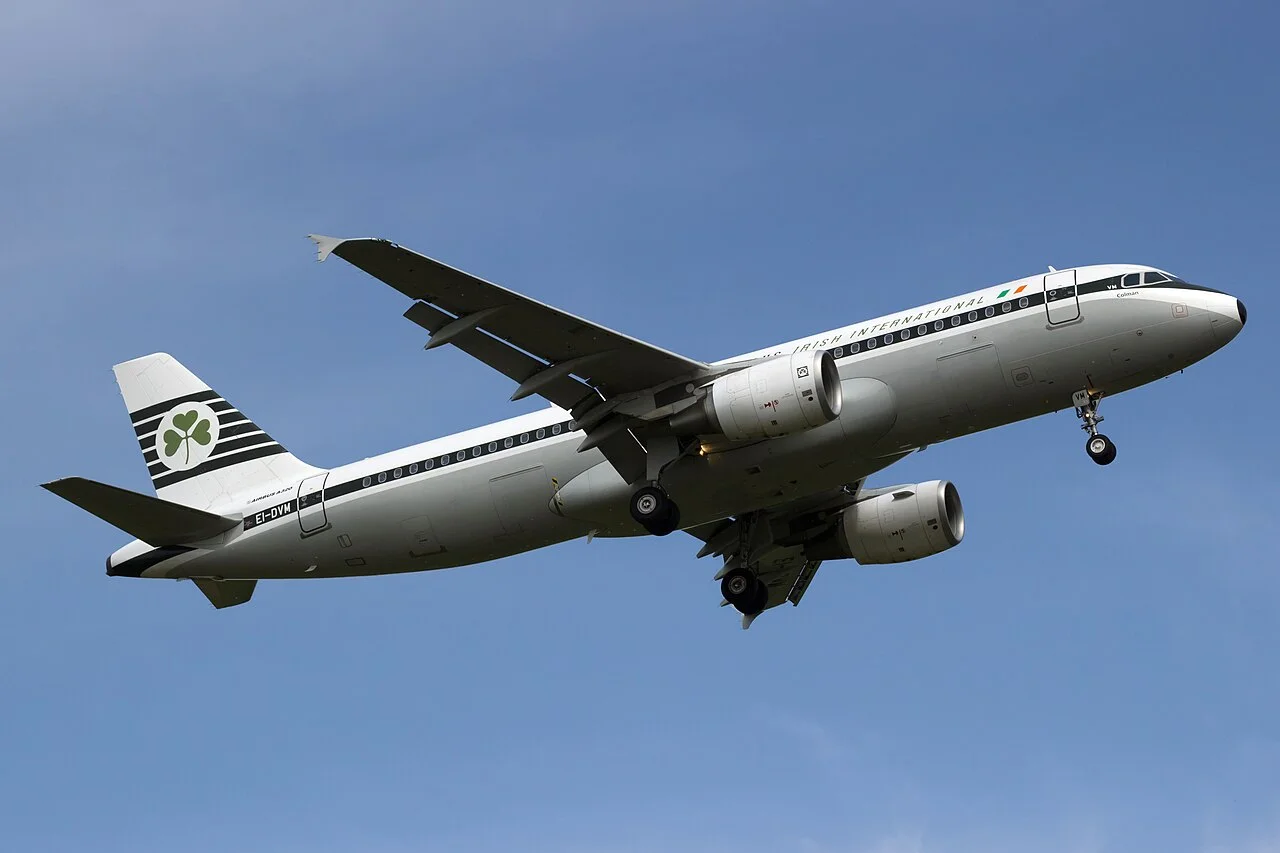


Side by side
| Look at | Airbus A320 | Boeing 737-800 |
|---|---|---|
| Nose and cockpit windows | A rounder nose [1]. The rearmost cockpit side window has a clipped top corner, a small missing corner [1]. | Side windows more angular, with sloping bottom edges [1]. |
| Engines | Round engine housings [1]. | The bottom of each intake is flattened to clear the ground, the shape spotters call the hamster pouch [1] [4]. |
| Wingtips | Older ones have small wingtip fences; later ones have tall Sharklets [2] [5]. | Blended winglets, one smooth upward sweep, or split scimitars with points at the top and bottom [3]. |
| Wheels in flight | Disappear once the gear is up [1]. | The main wheels stay visible [1]. |
| Overwing exits | Two a side on an A320, one on an A319; an A321 has four doors a side [2]. | Two a side on a 737-800, one on a -700 [4]. |
| Length | A320: 37.57 m [10]. | 737-800: 39.5 m [11]. |
| Sound on the ground | A "barking dog" noise while taxiing, from the hydraulic power transfer unit [6] [7]. | No sound cue in our sources. Use the shape. |
Dublin Airport's two biggest airlines fly two different twin-engined, single-aisle jets [8] [9] [12]. One is the Airbus A320 family, the other the Boeing 737. From a garden they can look like the same shape, but a handful of details give each one away, and once you know them you will start calling them without thinking.
Start with the nose
The quickest tell in a photo is the cockpit. The Airbus nose is rounder, and the rearmost side window of its cockpit has a clipped top corner, as if someone had snipped it off [1]. The 737's side windows are more angular, with bottom edges that slope [1]. If you can see the windows, this settles it.
Then the engines
Look at the engine intakes head on or from slightly below. An A320's are round [1]. A 737's are flattened along the bottom so the engine clears the runway, a shape spotters call the hamster pouch [1] [4].
Watch the wheels
As the aircraft climbs away and the gear comes up, an Airbus tucks its wheels away out of sight [1]. On a 737 the main wheels stay visible from below [1].
Wingtips can fool you
Older A320s end in small wingtip fences, and later ones carry tall upturned Sharklets [2] [5]. The 737-800 has either a blended winglet, a single smooth upward sweep, or a split scimitar with a point at the top and another at the bottom [3]. The trap is a Sharklet seen in silhouette: it looks very like a 737's blended winglet [5]. Use the wingtips to tell members of one family apart, not to tell Airbus from Boeing.
Listen on the ground
If you are near the taxiway, the Airbus sometimes gives itself away by ear. A320 family aircraft make a loud, repetitive noise often likened to a barking dog [6] [7]. It comes from the power transfer unit, a pump that keeps hydraulic pressure up, and you hear it while taxiing with one engine shut down or around engine start [6]. It is normal, not a fault [7].
Which one will you see over Ireland?
Ryanair and Aer Lingus, Dublin Airport's two biggest customers [9], sit on opposite sides of this comparison. As of 2 September 2026, Ryanair's group fleet was 411 Next Generation 737s and 210 737-8200s, alongside only 26 Airbus A320s [8], and those A320s belong to Lauda Europe, the one A320 operator in the group [13]. Aer Lingus flies Airbus: by May 2026 it had 14 A321neos alone [12], on top of its A320s and A330s.
So the odds lean towards the 737, simply because Ryanair flies so many of them. But an A320 overhead is far from rare, and a Ryanair livery is not proof of a 737: check the nose.
Two relatives complicate things. The Boeing 737 MAX looks like a 737-800 with bigger engines; the 737 MAX vs 737-800 guide covers that one. The A320neo is an A320 with much larger engines and Sharklets on every aircraft [2].
The difference you cannot see
The biggest difference is on the flight deck. Airbus describes the A320 as the first commercial aircraft with full digital fly-by-wire, and each pilot flies it with a sidestick instead of a traditional yoke [14]. None of that shows from the ground, which is why the nose, the engines and the wheels do the work.
In photographs
Look closer at the shapes, details and liveries. Every photograph links to its original and credits its creator.
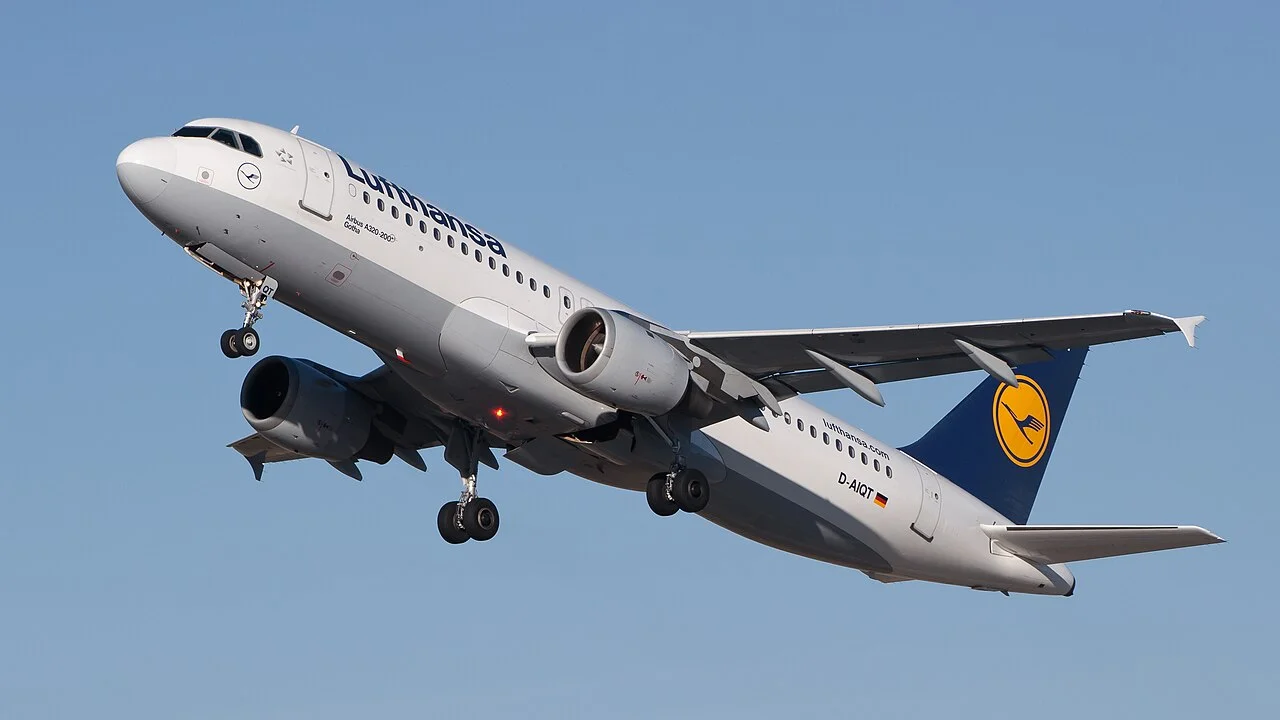
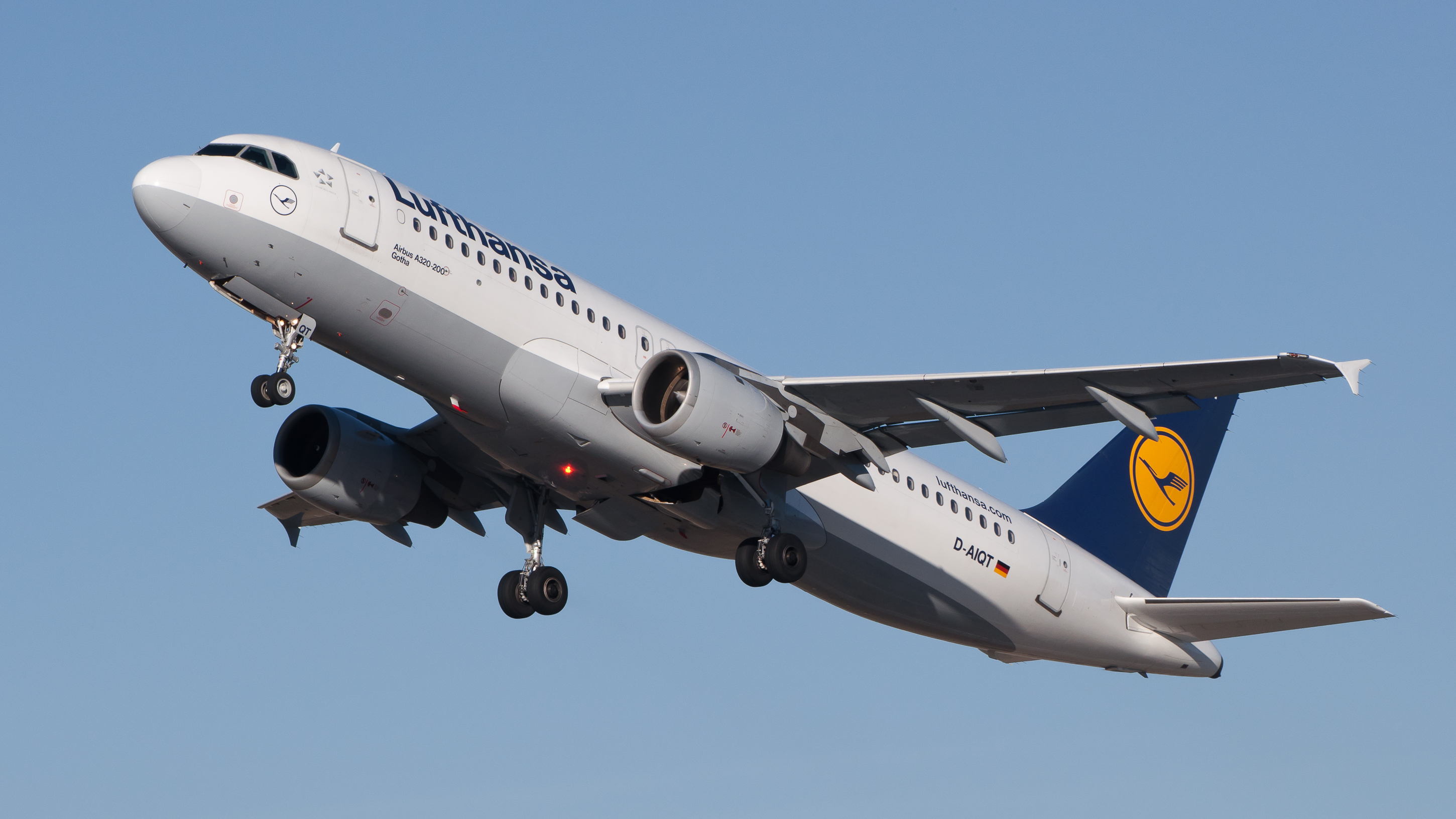
A Lufthansa A320 taking off at Stuttgart. The round engine housings and cockpit windows are useful recognition cues.
Julian Herzog (Website) · CC BY 4.0 · Source and credits · Taken on 7 February 2011, 15:13:24

View full-size · Original imageResized WebP display copy.
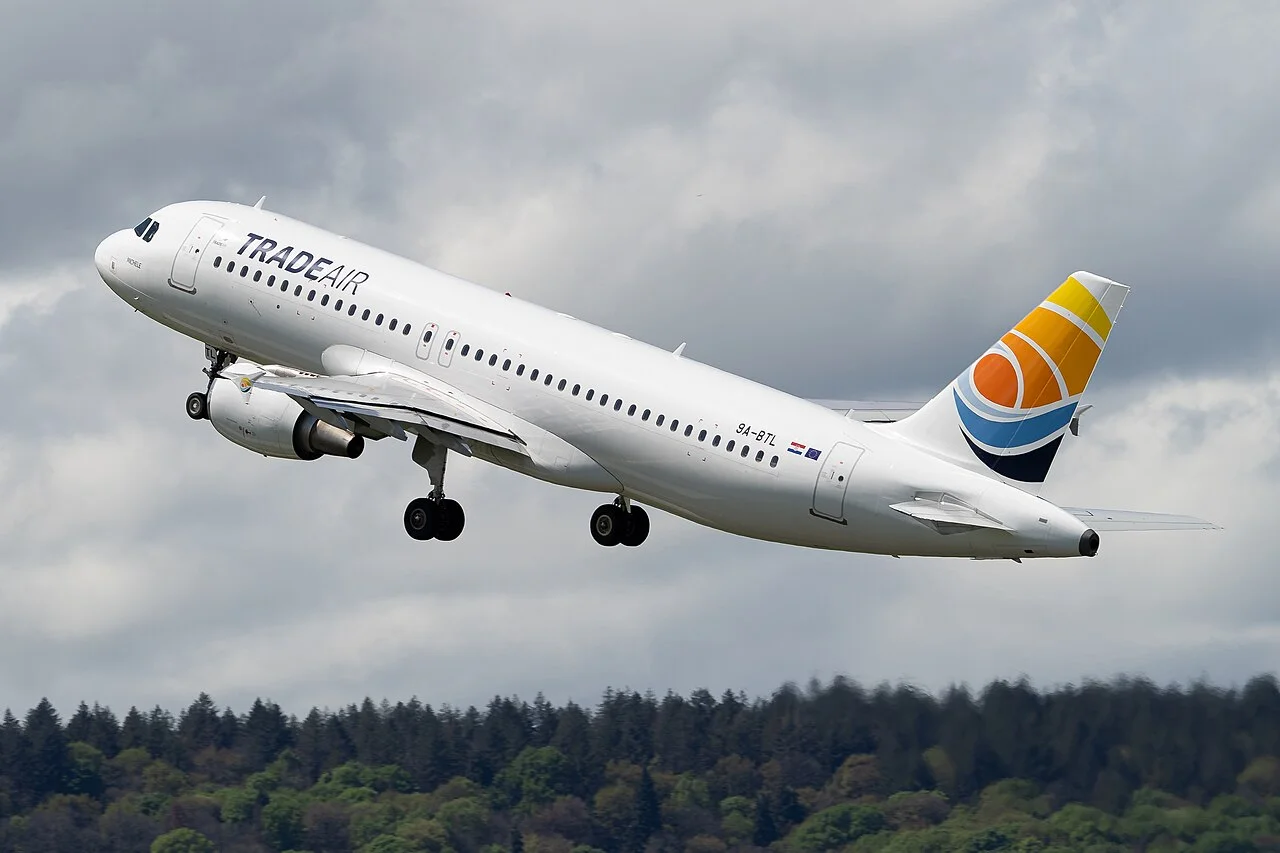
Trade Air A320 9A-BTL taking off at Tarbes. Compare the doors and overwing exits with the longer A321.
Shougissime · CC BY-SA 4.0 · Source and credits · 2025-04-16

View full-size · Original imageResized WebP display copy.

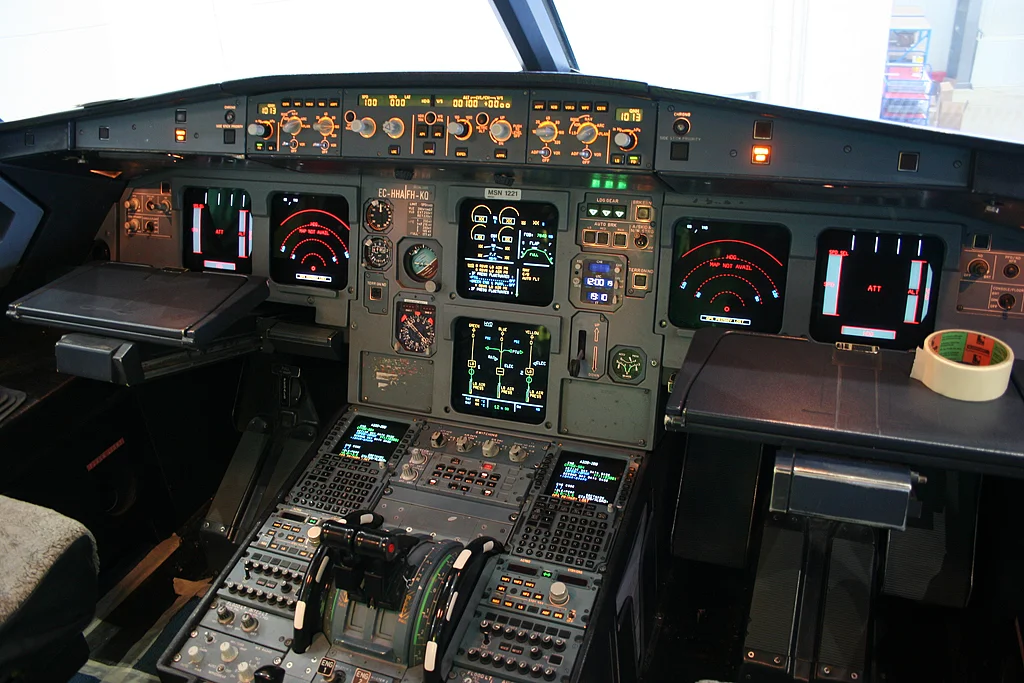
Inside a Vueling A320 flight deck. The sidesticks sit beside the pilots rather than in front of them.
Curimedia · CC BY 2.0 · Source and credits · 2011-03-08 14:01

View full-size · Original imageResized WebP display copy.

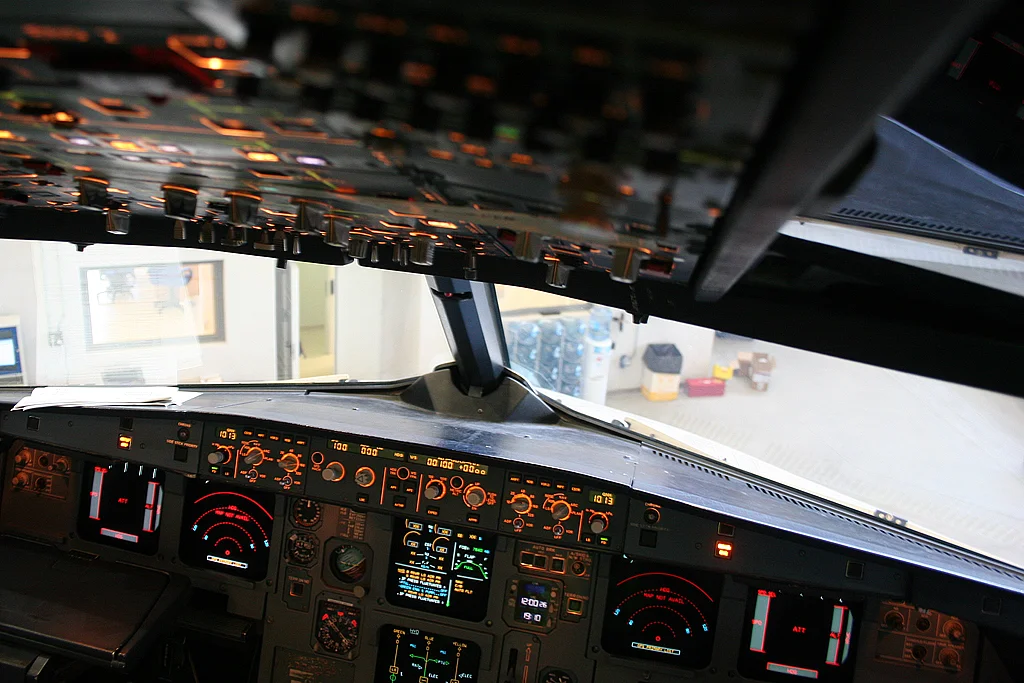
A closer look at the A320 overhead panel and cockpit instruments.
Curimedia · CC BY 2.0 · Source and credits · 2011-03-08 14:02

View full-size · Original imageResized WebP display copy.

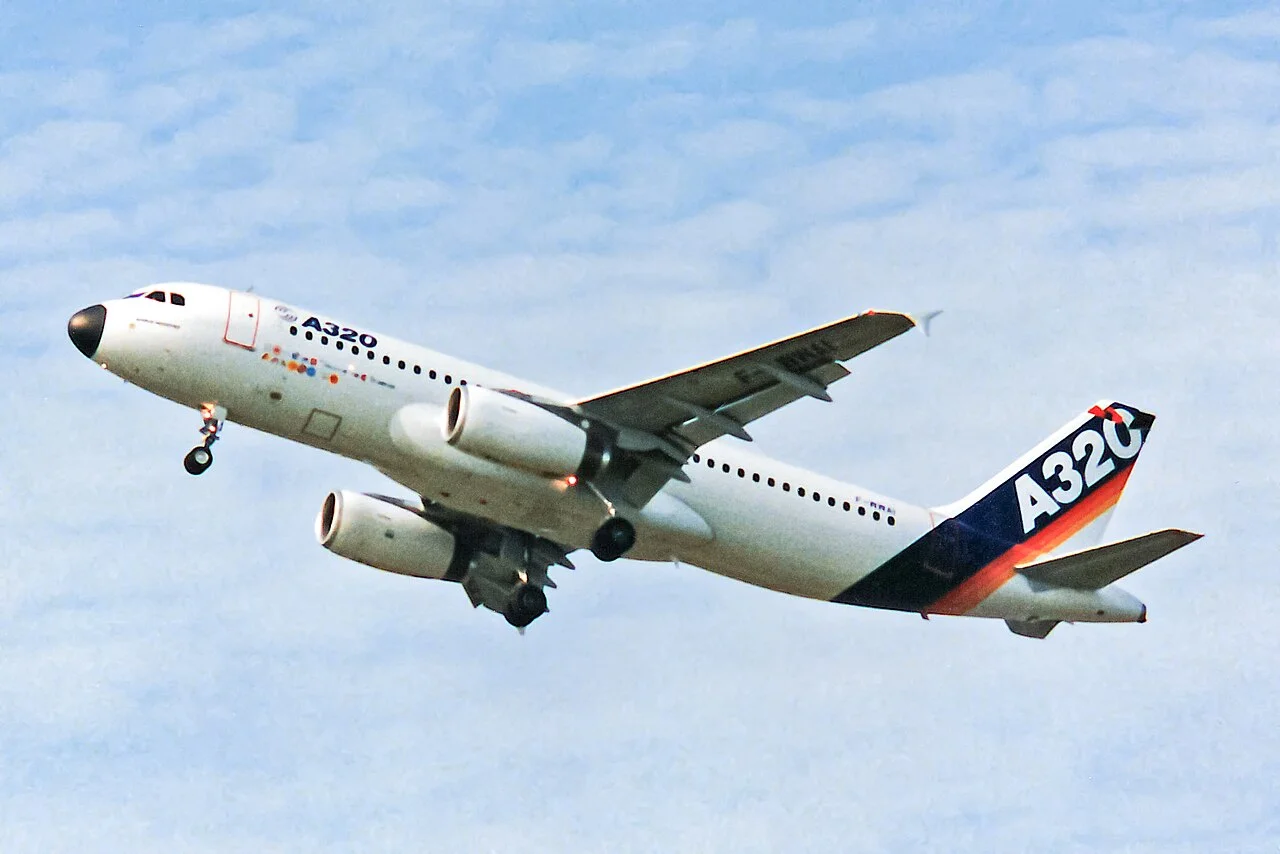
A320 prototype F-WWAI at Farnborough in September 1988, wearing Airbus Industrie colours.
Ken Fielding, derivative work Lämpel · CC BY-SA 3.0 · Source and credits · 1988-09

View full-size · Original imageResized WebP display copy.

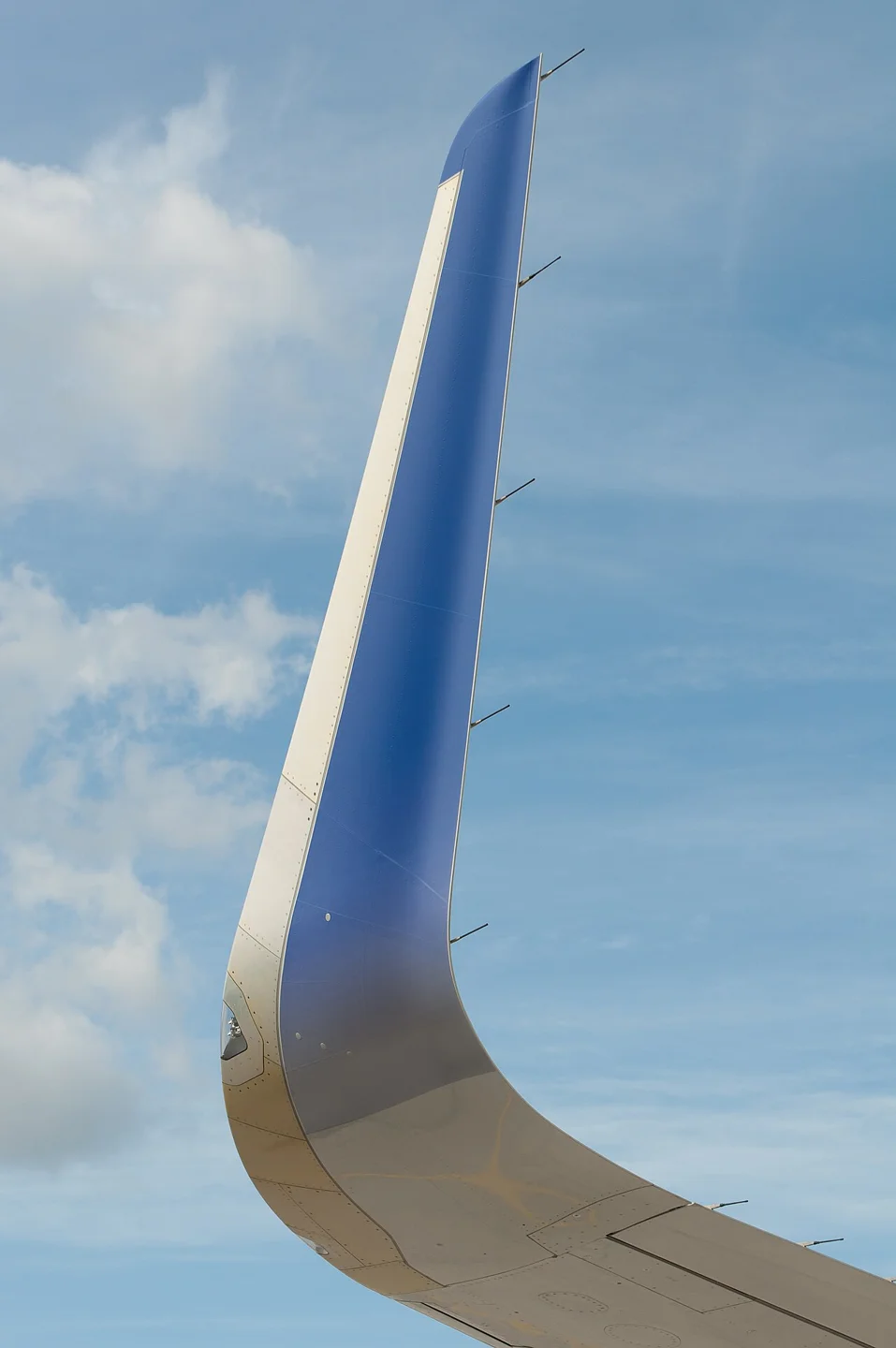
A close-up of the Sharklet fitted to Airbus test aircraft F-WWIQ at ILA Berlin in 2012.
Julian Herzog (Website) · CC BY 4.0 · Source and credits · Taken on 12 September 2012, 14:46:14

View full-size · Original imageResized WebP display copy.

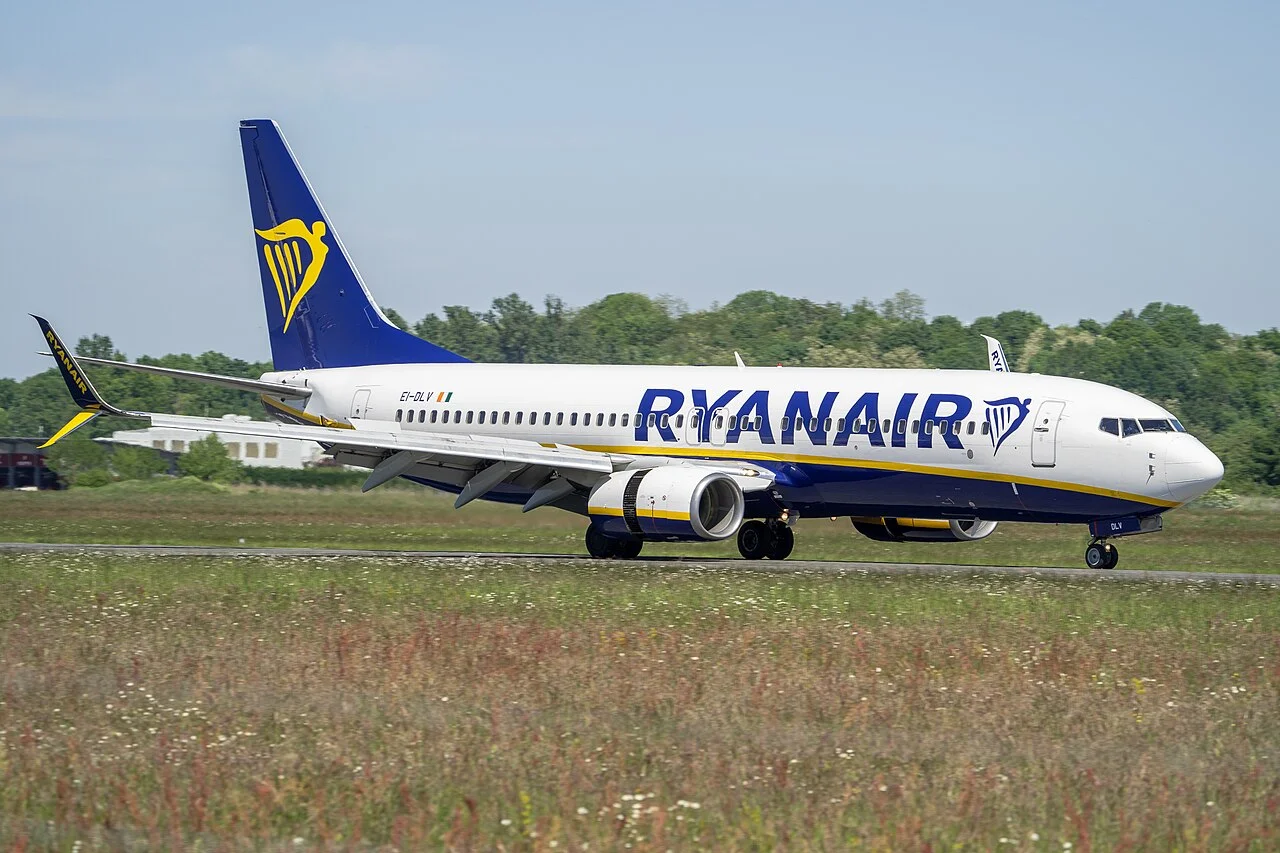
Ryanair 737-800 EI-DLV after landing at Tarbes.
Hugo LUC · CC BY-SA 4.0 · Source and credits · 09/05/2024

View full-size · Original imageResized WebP display copy.

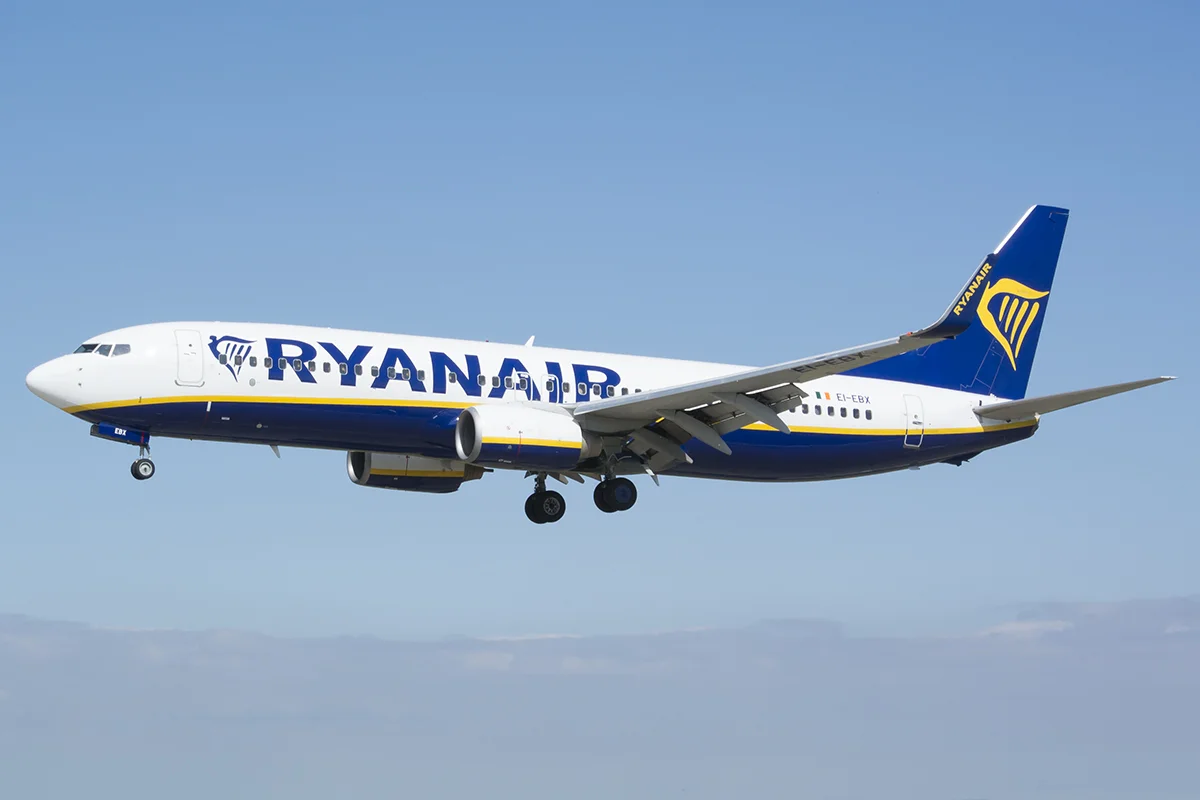
Ryanair 737-800 EI-EBX in flight. Compare the nose and engine shapes with an A320.
Michael Oldfield · CC BY-SA 4.0 · Source and credits · 2018-07-22 14:49:24

View full-size · Original imageResized WebP display copy.

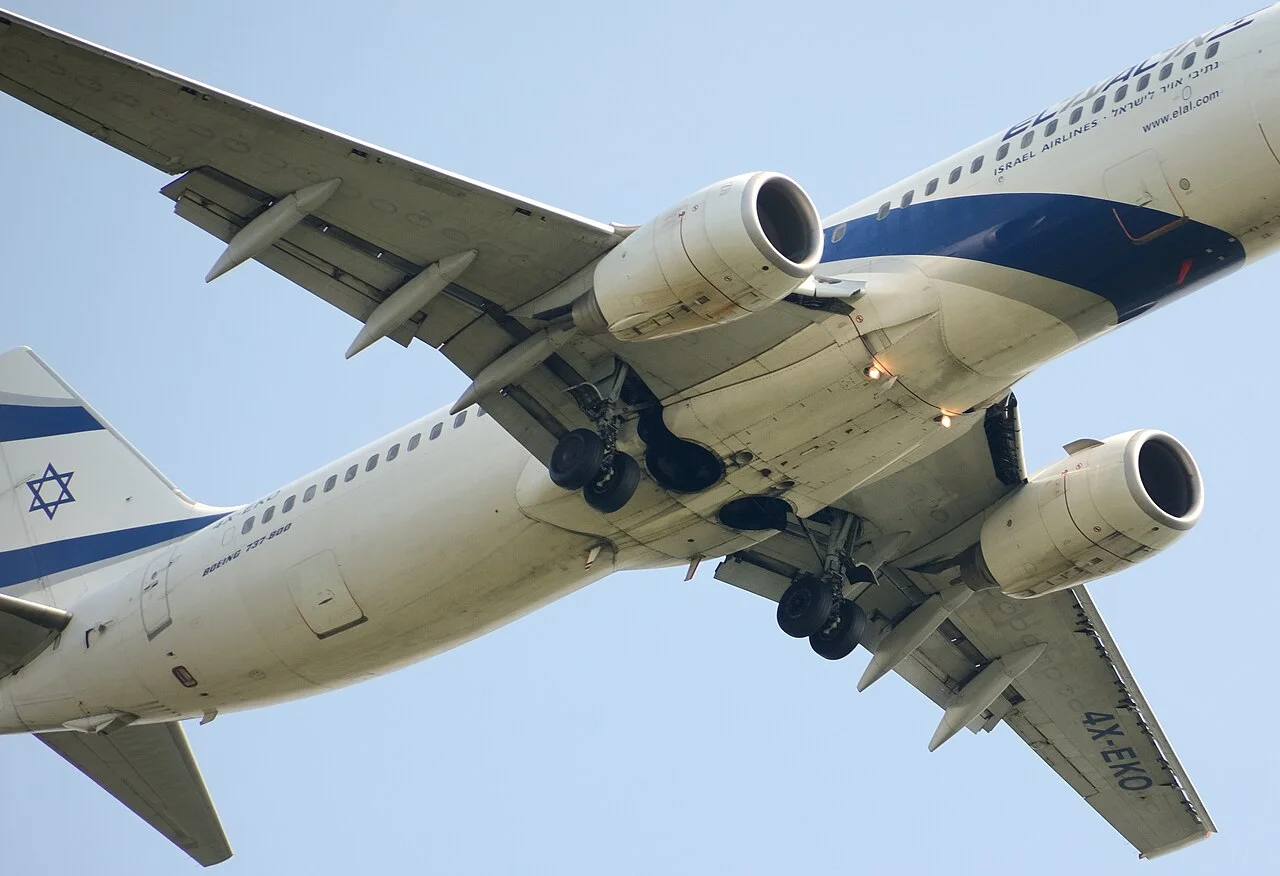
A 737-800 on approach with its landing gear extended, revealing the wheels, nacelles and wing underside.
Peter Haas · CC BY-SA 3.0 · Source and credits · 2013-08-23

View full-size · Original imageResized WebP display copy.

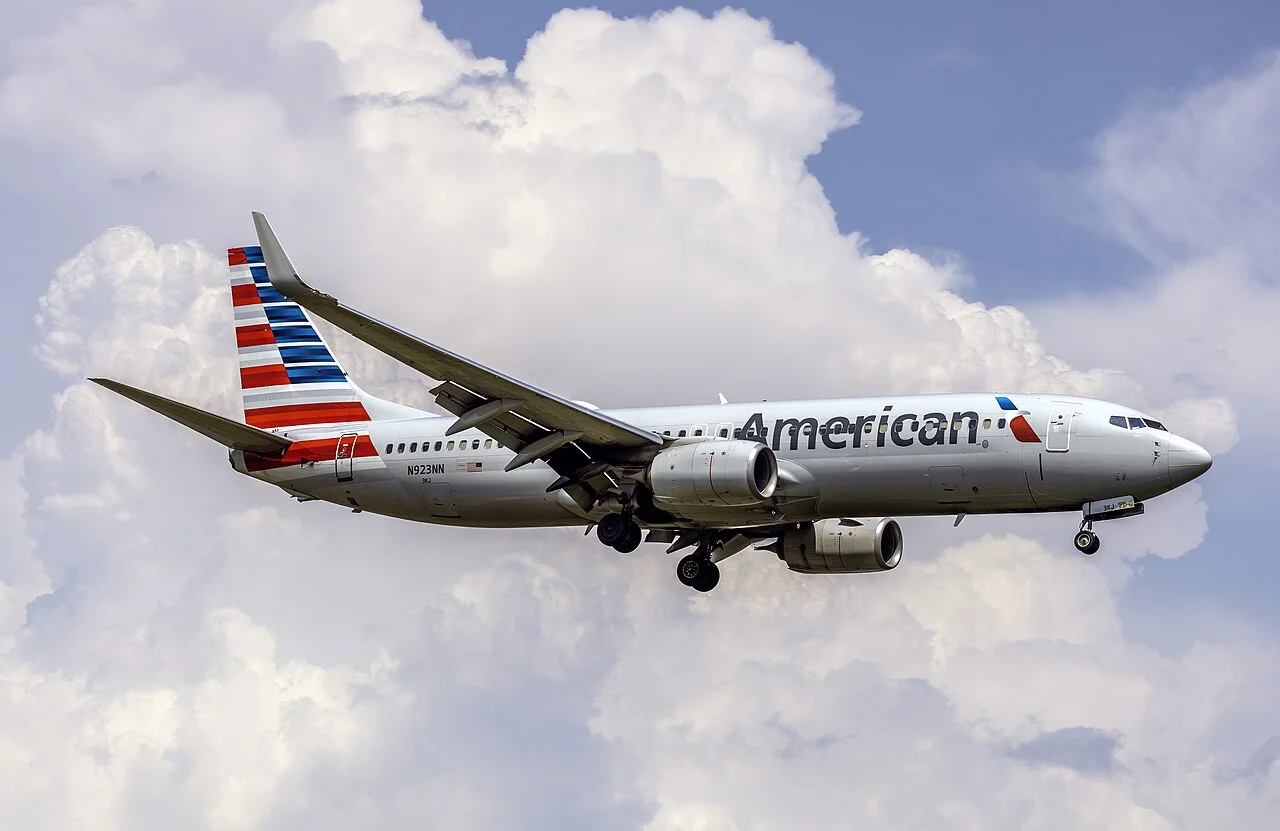
American Airlines 737-800 N923NN approaching Washington National.
Acroterion · CC BY-SA 4.0 · Source and credits · 2024-07-31

View full-size · Original imageResized WebP display copy.

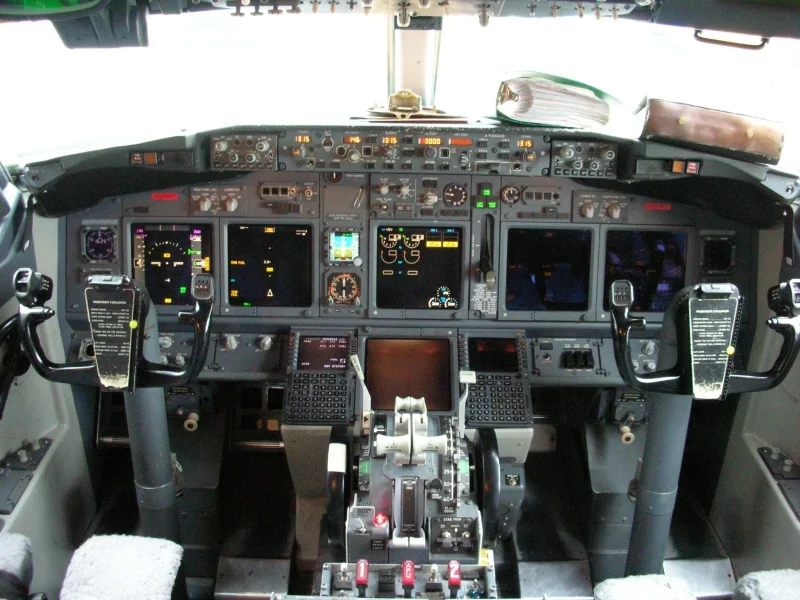
The cockpit of an ATA Airlines 737-800, showing the traditional control yokes.
Photographer: Nick Bartolotta (en:User:NickBartolotta) · CC BY-SA 3.0 · Source and credits · 2006-11-16

View full-size · Original imageResized WebP display copy.

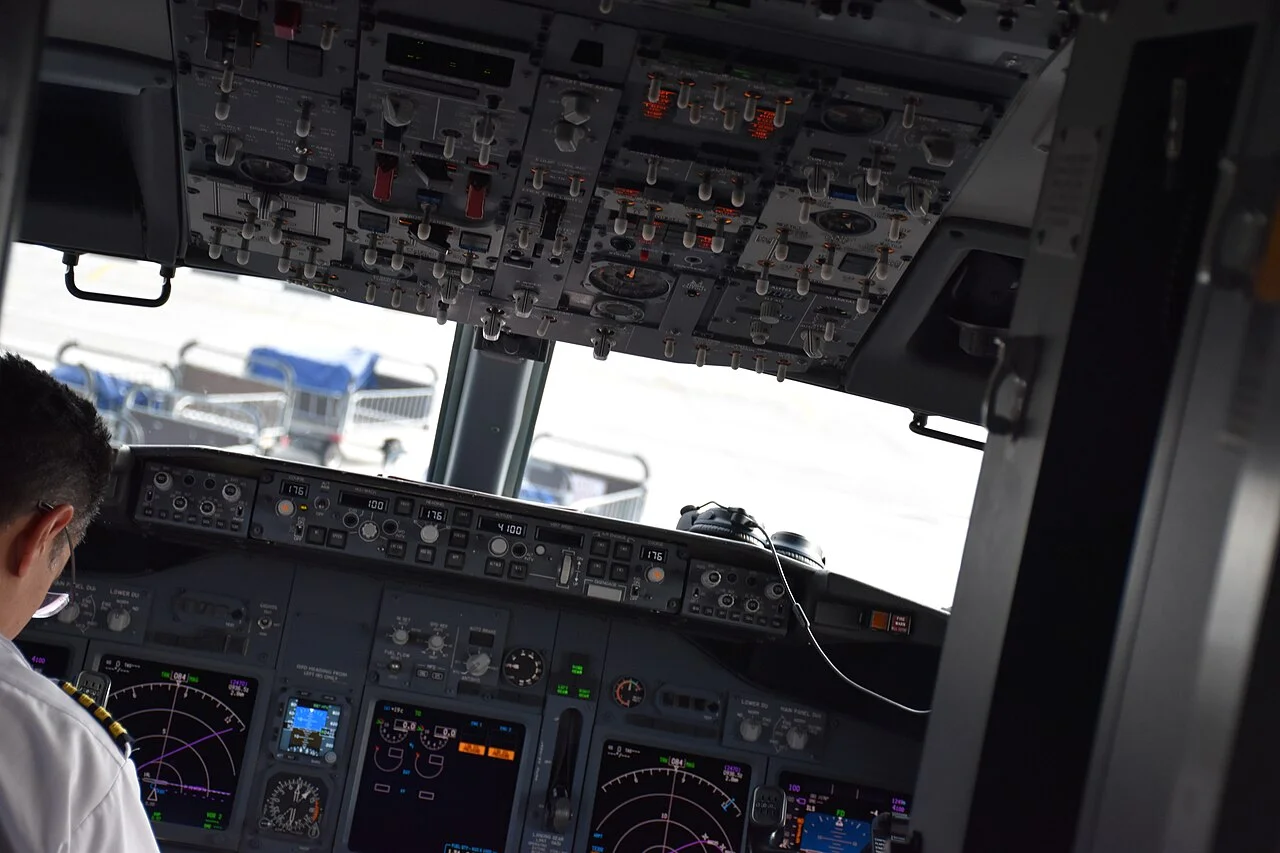
The flight deck of Buzz 737-800 SP-RSX.
Vasyatka1 · CC BY-SA 4.0 · Source and credits · 2020-02-26 11:36:35

View full-size · Original imageResized WebP display copy.

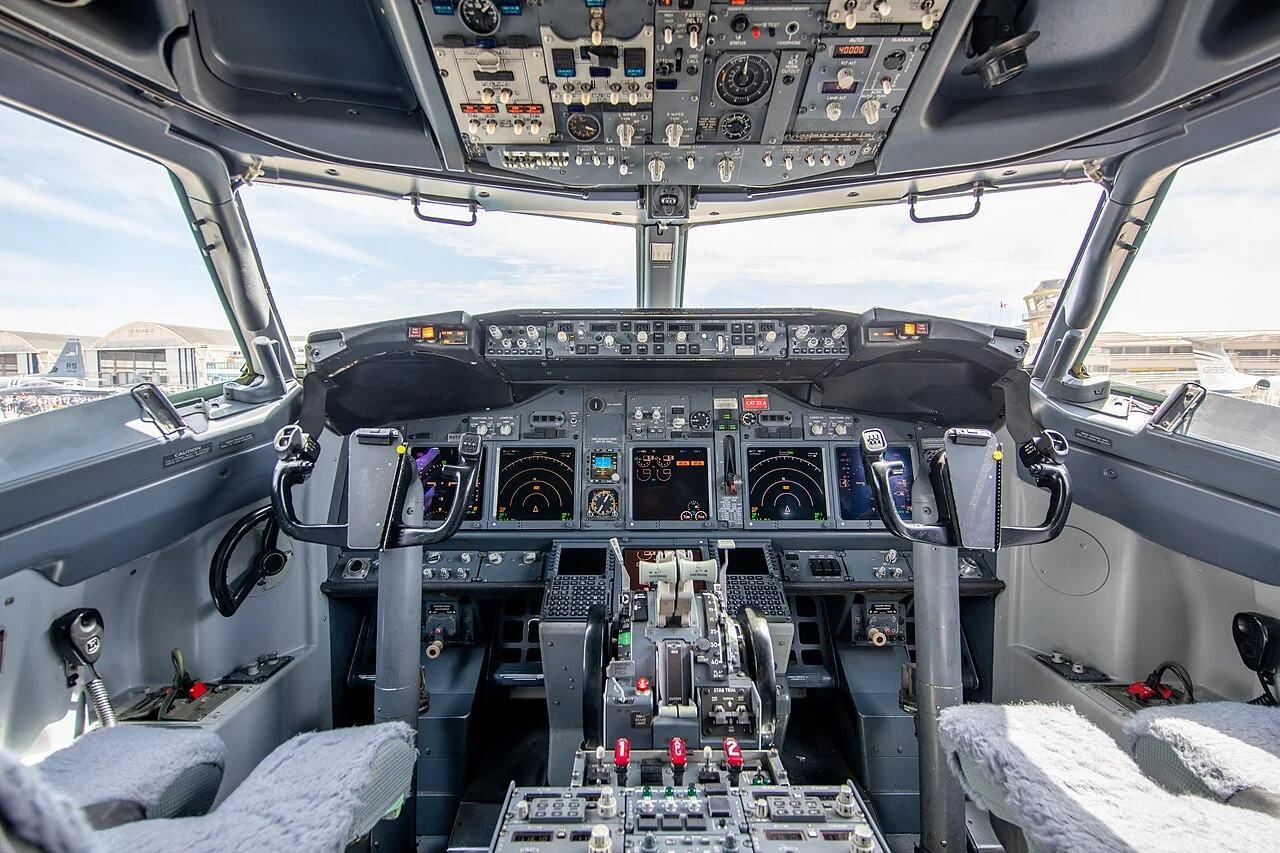
Inside a converted 737-800 freighter at the Paris Air Show in 2019.
Matti Blume · CC BY-SA 4.0 · Source and credits · 2019-06-18

View full-size · Original imageResized WebP display copy.

Drawings and original documents
Existing published drawings are credited below. These are reference illustrations, not manufacturing blueprints.
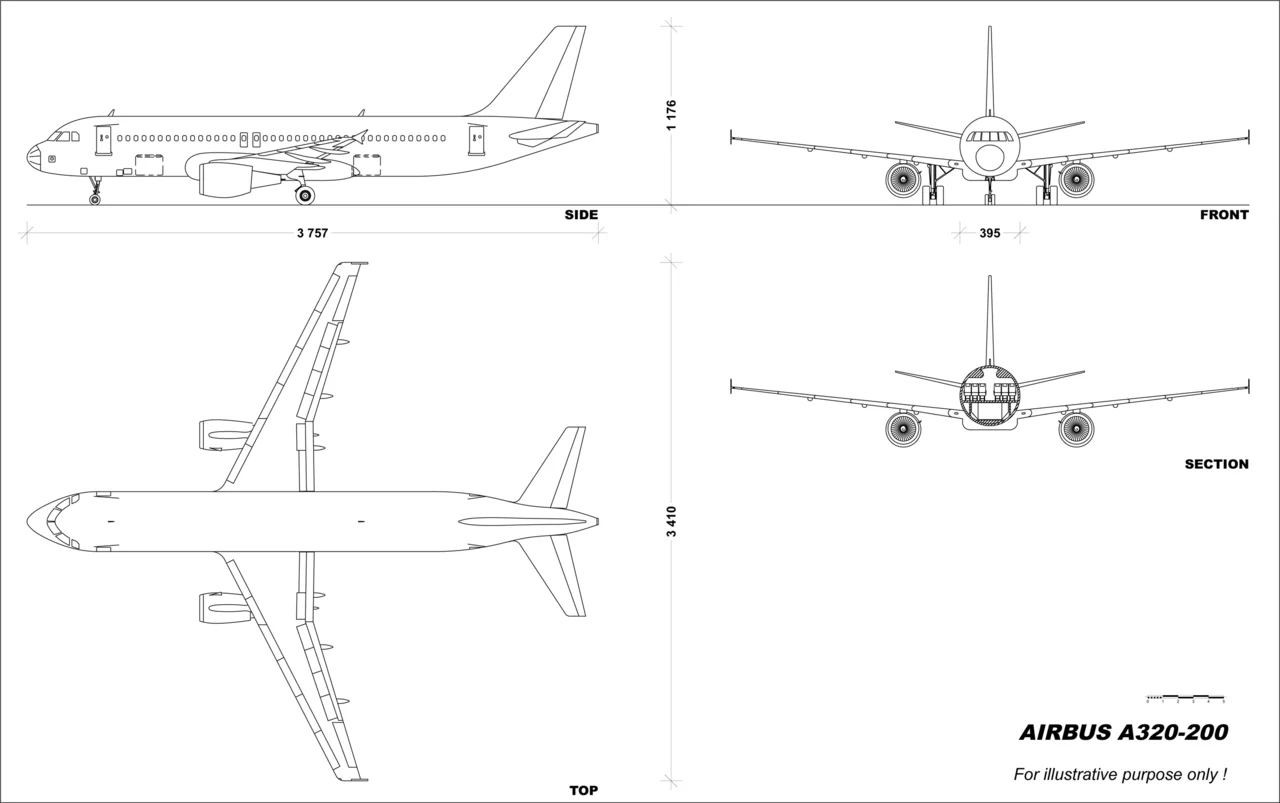
A320 reference drawing by Julien Scavini, with side, overhead, front and fuselage-section views. Published in 2011; not an original factory blueprint.
Julien.scavini · CC BY-SA 3.0 · Source and credits · 2011-10-03

View full-size · Original imageResized WebP display copy.

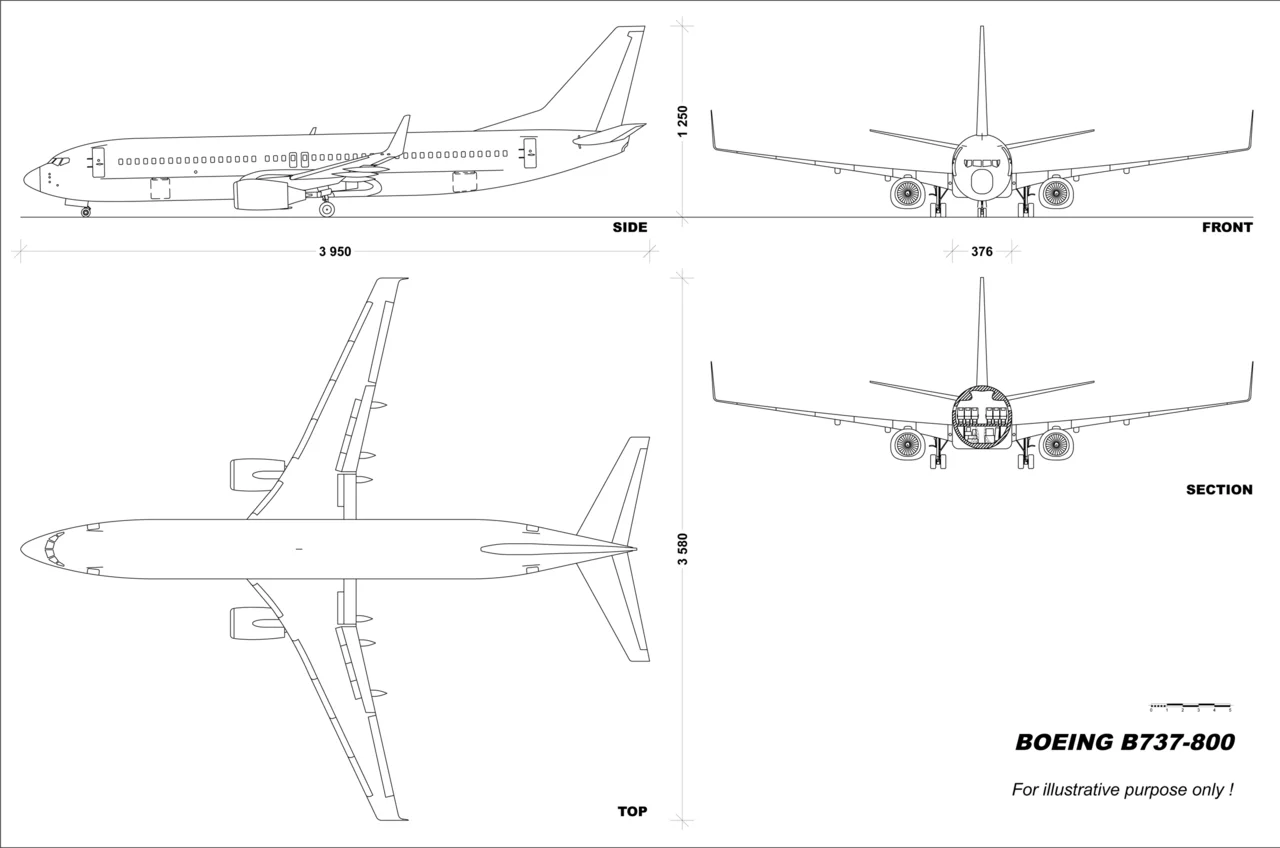
Julien Scavini’s 737-800 reference drawing shows side, front, overhead and fuselage-section views. Published in 2011; not a factory blueprint.
Julien.scavini · CC BY-SA 3.0 · Source and credits · 2011-10-30

View full-size · Original imageResized WebP display copy.

- A320 airport and maintenance planning drawings, July 2026
Airbus’s own technical reference, including aircraft dimensions, cabin cross-sections, door positions, ground clearances and servicing diagrams. These are manufacturer planning drawings.
- A320 Family facts and programme timeline, June 2026
Airbus’s illustrated family backgrounder records the first deliveries of the A320, A321, A319 and A318, alongside dimensions for both engine generations.
- 737 Next Generation airport planning drawings, October 2025
Boeing’s dimensioned plans cover the 737-600 through 737-900, including the -800’s cabin, doors, ground clearances and turning geometry.
- The 737-800’s first flight, 31 July 1997
Read Boeing’s original launch-era report, with its route, test crew, fleet position and the planned Next Generation test programme.
See one for yourself
Skylark shows what is flying over Ireland right now, with each aircraft's reported type code, and the iPhone app points you at it. Use the code alongside visible clues: a shared family code may not identify the exact variant.
Sources
Facts checked against these sources on 29 September 2026. Numbers that change over time, such as orders and fleet sizes, are as of the date given beside them.
- How to tell the difference between Airbus and Boeing aircraft: the basics (9 May 2024)Flightradar24
- Spotting the difference: the Airbus narrow-bodiesFlightradar24
- Spotting the difference: Boeing narrow-bodies (15 May 2025)Flightradar24
- Boeing 737 spotting guideAirliner Spotter
- All about airplane winglets, and how to tell them apartThe Points Guy
- The barking dog: those strange noises on Airbus planesAsk the Pilot
- Why do Airbus planes make a barking dog sound? (19 October 2025)Aerospace Global News
- Our fleetRyanair
- We are picking up the airport tab for Ryanair and Aer Lingus (1 October 2025)The Irish Times
- A320ceoAirbus
- Longest Boeing 737 makes first flight (31 July 1997)Boeing
- Aer Lingus' A321neo routes: 13 transatlantic flights for summer 2026 (3 May 2026)Aerospace Global News
- Group airlinesRyanair
- Airbus A320 FamilyAirbus