

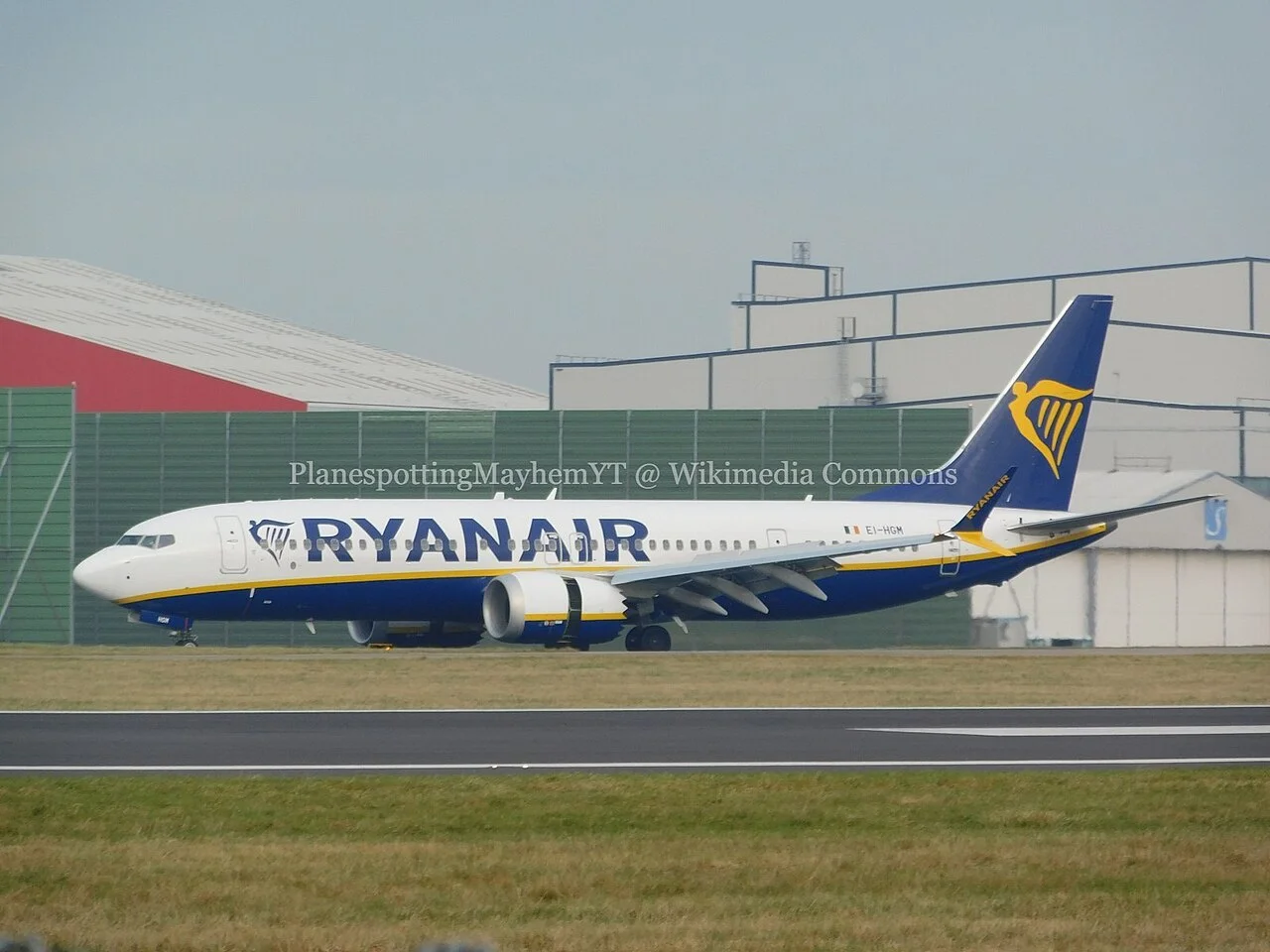


Side by side
| Look at | Boeing 737 MAX | Boeing 737-800 |
|---|---|---|
| Engines | Much wider, and set further in front of the wing [1]. CFM LEAP-1B [6]. | Smaller CFM56-7 engines [7], with the flattened bottom spotters call the hamster pouch [8]. |
| Back of the engine | A row of small sawtooth ridges, called chevrons, that reduce noise [1] [2]. | No chevrons [1]. |
| Wingtips | Split winglets with top and bottom parts of roughly equal size [1], ending in flat, square tips [2]. | Blended winglets, or split scimitars whose tips are pointed [1] [2]. |
| Tail cone | Pointed, and extends further behind the tail [2]. | Shorter and blunter [2]. |
| Nose gear | Longer, leaving a noticeable gap between the tops of the tyres and the gear doors [2]. | Shorter [2]. |
| Exits | The 737-8200 adds a pair of mid-exit doors [5]. | Two cabin doors and two overwing exits a side [8]. |
| Length | 39.5 m for the 737-8 and 737-8200; 42.11 m for the 737-9 [3]. | 39.5 m [7]. |
Over Ireland this is the comparison that matters most, because Ryanair flies hundreds of both [4]. The 737 MAX is essentially a Next Generation 737 with new engines [1]. It keeps the fuselage of the 737-800, so the middle of the aircraft tells you nothing. Look at the ends and the engines.
The engines first
The MAX's engines are much wider than a -800's and sit further forward of the wing [1]. They are CFM LEAP-1B engines [6], where the -800 has the CFM56-7 [7]. The FAA describes the MAX engines as larger and mounted higher and further forward than on the Next Generation 737 [10].
If you can see the back of the engine, look for chevrons: a row of small sawtooth ridges around the rear edge that reduce noise [1] [2]. The MAX has them; the -800 does not [1].
Then the wingtips
Both can carry a split winglet, a fin up and a smaller fin down, so do not stop at "it has two". On the MAX the top and bottom parts are roughly the same size [1] and the tips are flat and square [2]. On a -800 with split scimitars the tips are pointed [1] [2], and other -800s have a plain blended winglet instead, a single upward sweep [1].
The tail and the nose gear
At the back, the MAX's tail cone is pointed and extends further behind the tail, while the -800's is shorter and blunter [2]. At the front, the MAX sits on a longer nose gear, and there is a noticeable gap between the tops of the tyres and the gear doors [2].
Ryanair's own MAX
Ryanair's MAX is the 737-8200, a high-density 737-8 [5]. It is the same length as the 737-8, 39.5 m [3], but adds a pair of mid-exit doors [5], so count the exits behind the wing. The -800 has two cabin doors and two overwing exits a side [8]. Ryanair's first 737-8200 was delivered in Seattle and flew overnight to Dublin Airport in June 2021 [9].
A longer MAX is a 737-9, at 42.11 m against 39.5 m [3]. A tracker's type code is the easiest way to be sure.
What about the sound?
Ryanair's fleet page credits its 737-8200s with 40% less noise emissions, and says the MAX 10s it has on order will be 50% quieter than its Next Generation 737s [4]. Those are the airline's own figures. From a garden, the chevrons are the visible part of that story [1].
Which one will you see over Ireland?
As of 2 September 2026, Ryanair listed 411 Next Generation 737s, each with 189 seats, and 210 737-8200s with 197 seats [4]. So the -800 still outnumbers the MAX in Ryanair's fleet by about two to one, but the balance is shifting: Ryanair has 300 737 MAX 10s on order for delivery by 2034 [4].
If what you are looking at might be an Airbus instead, see Airbus A320 vs Boeing 737.
In photographs
Look closer at the shapes, details and liveries. Every photograph links to its original and credits its creator.
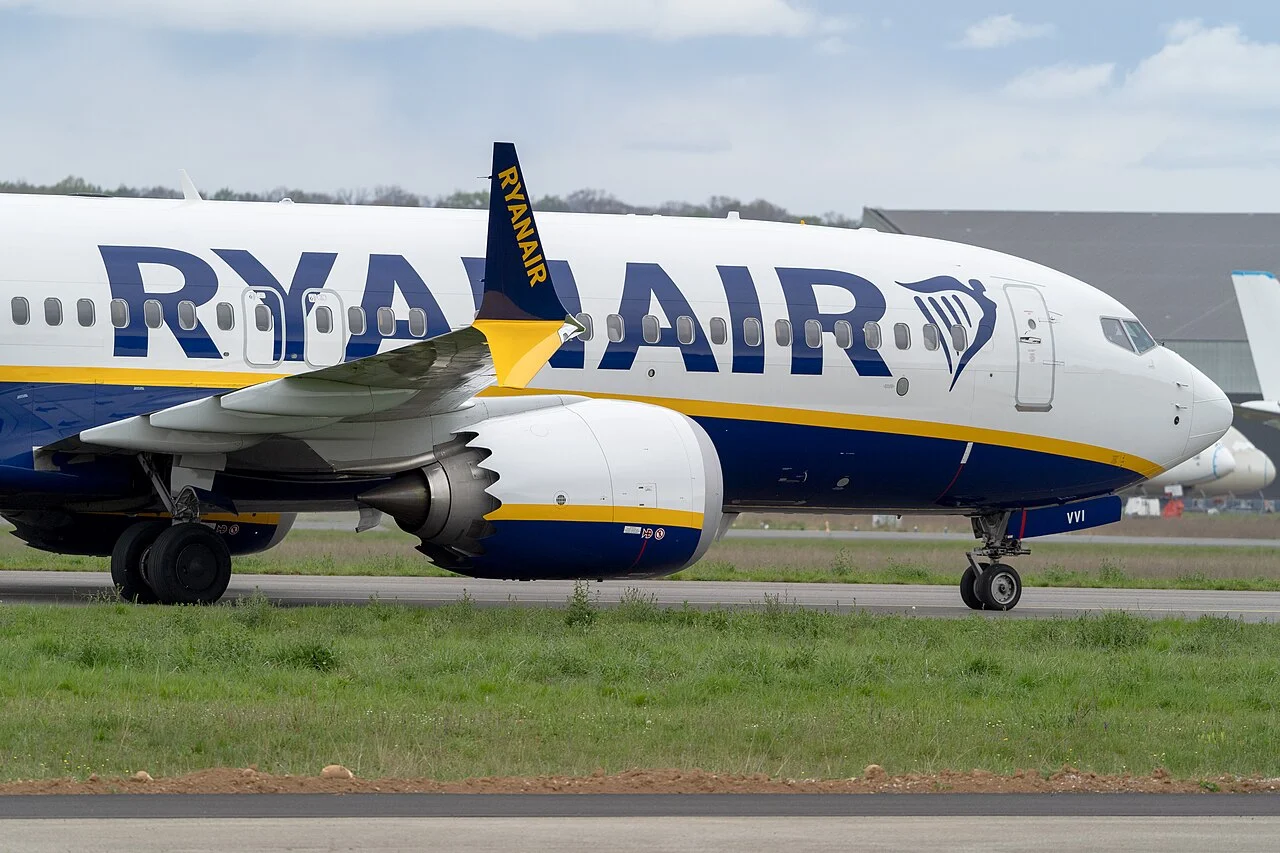
A close view of the engines and wing on Ryanair MAX 8-200 9H-VVI.
Hugo LUC · CC BY-SA 4.0 · Source and credits · 2024-03-31

View full-size · Original imageResized WebP display copy.

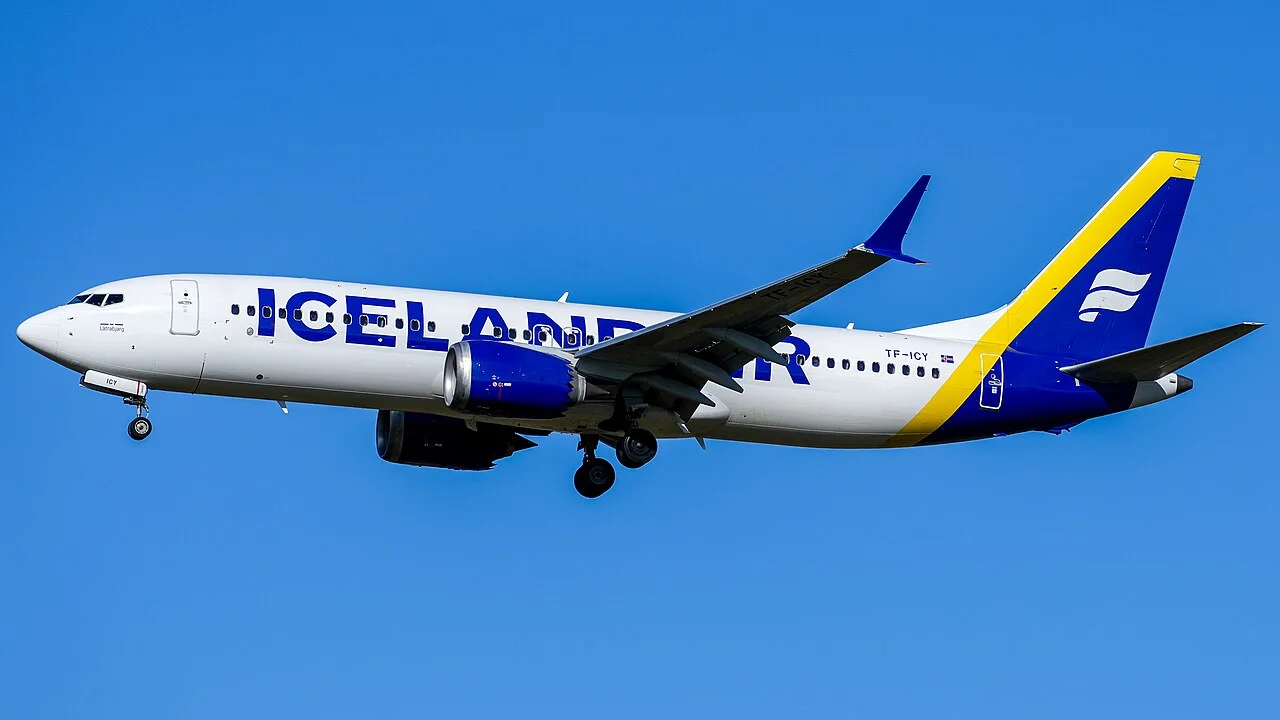
Icelandair 737 MAX 8 TF-ICY at Berlin Brandenburg.
MarcelX42 · CC BY-SA 4.0 · Source and credits · 2024-02-24 11:49:13

View full-size · Original imageResized WebP display copy.


Grounded MAX aircraft parked near Boeing Field in April 2019, an archive photograph from the worldwide grounding.
SounderBruce · CC BY-SA 4.0 · Source and credits · 2019-04-24 12:47:54

View full-size · Original imageResized WebP display copy.

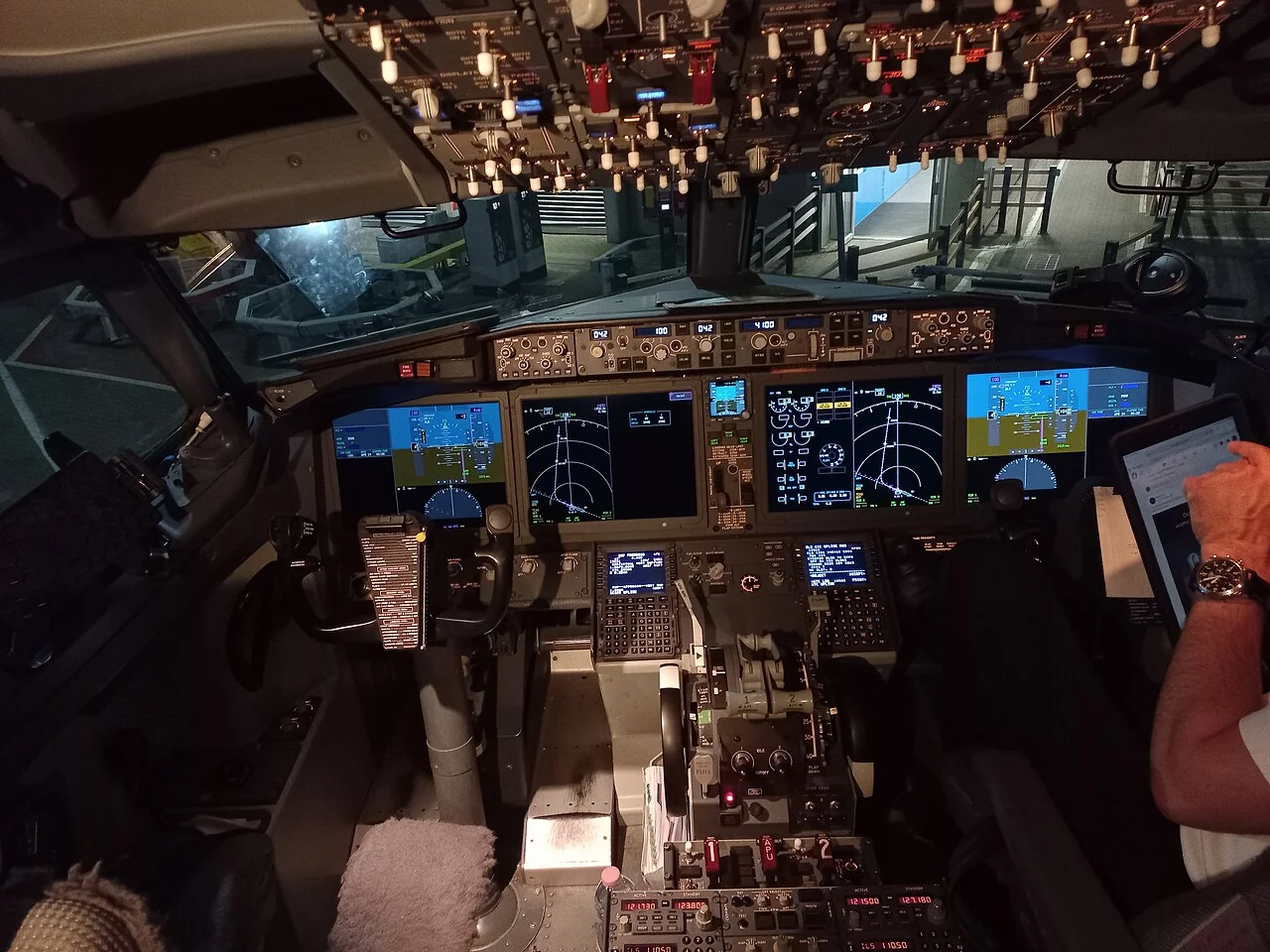
Inside a real 737 MAX cockpit, with control yokes and large instrument displays.
GeoMancer448 · CC BY 4.0 · Source and credits · 2024-04-16 20:56:16

View full-size · Original imageResized WebP display copy.

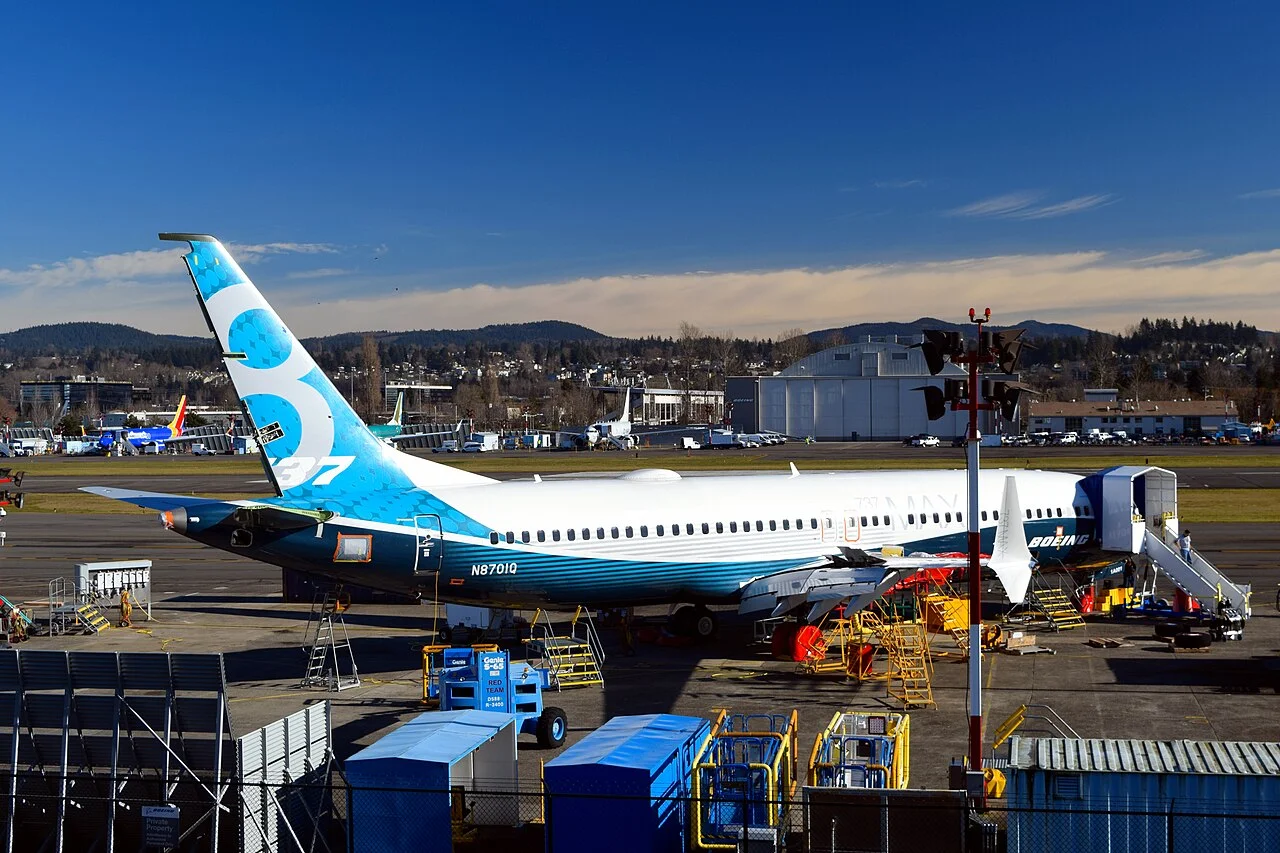
Boeing test aircraft N8701Q, a MAX 8 in manufacturer colours.
John Crowley from Seattle, WA, USA · CC BY-SA 2.0 · Source and credits · 2017-01-27 12:59

View full-size · Original imageResized WebP display copy.

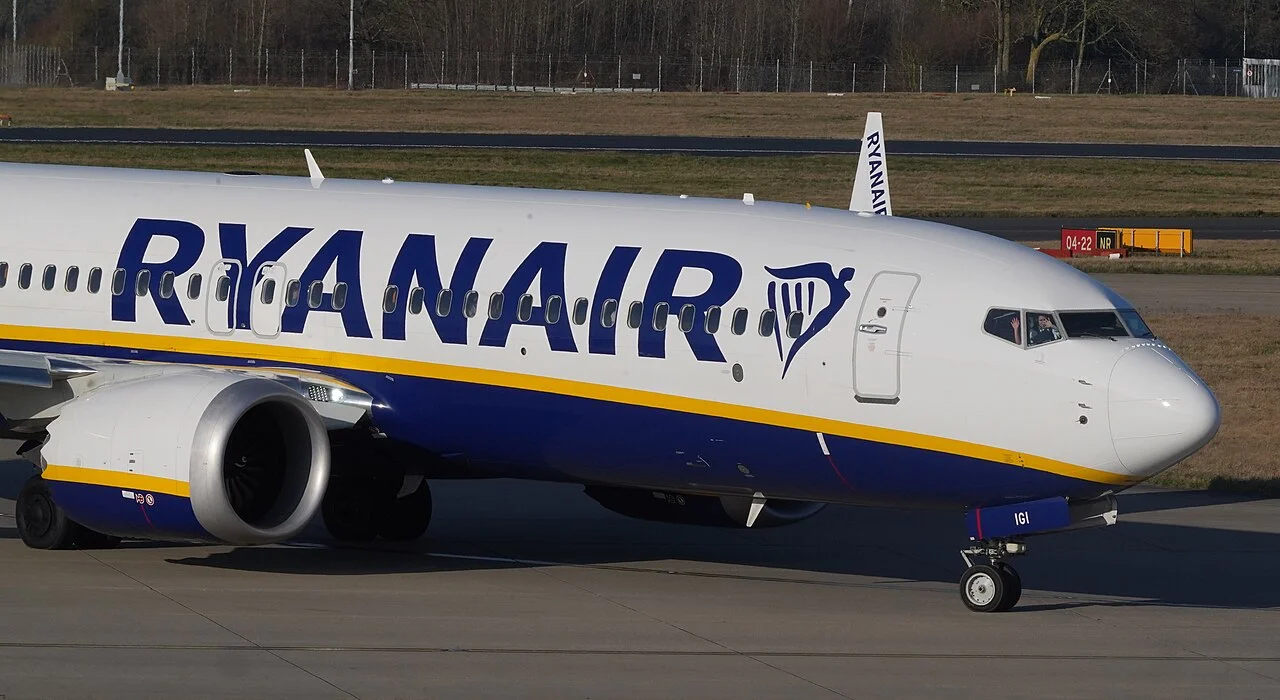
Ryanair MAX 8-200 EI-IGI at Stansted in January 2024. The extra door behind the wing is visible.
kitmasterbloke · CC BY 2.0 · Source and credits · 2024-01-13

View full-size · Original imageResized WebP display copy.

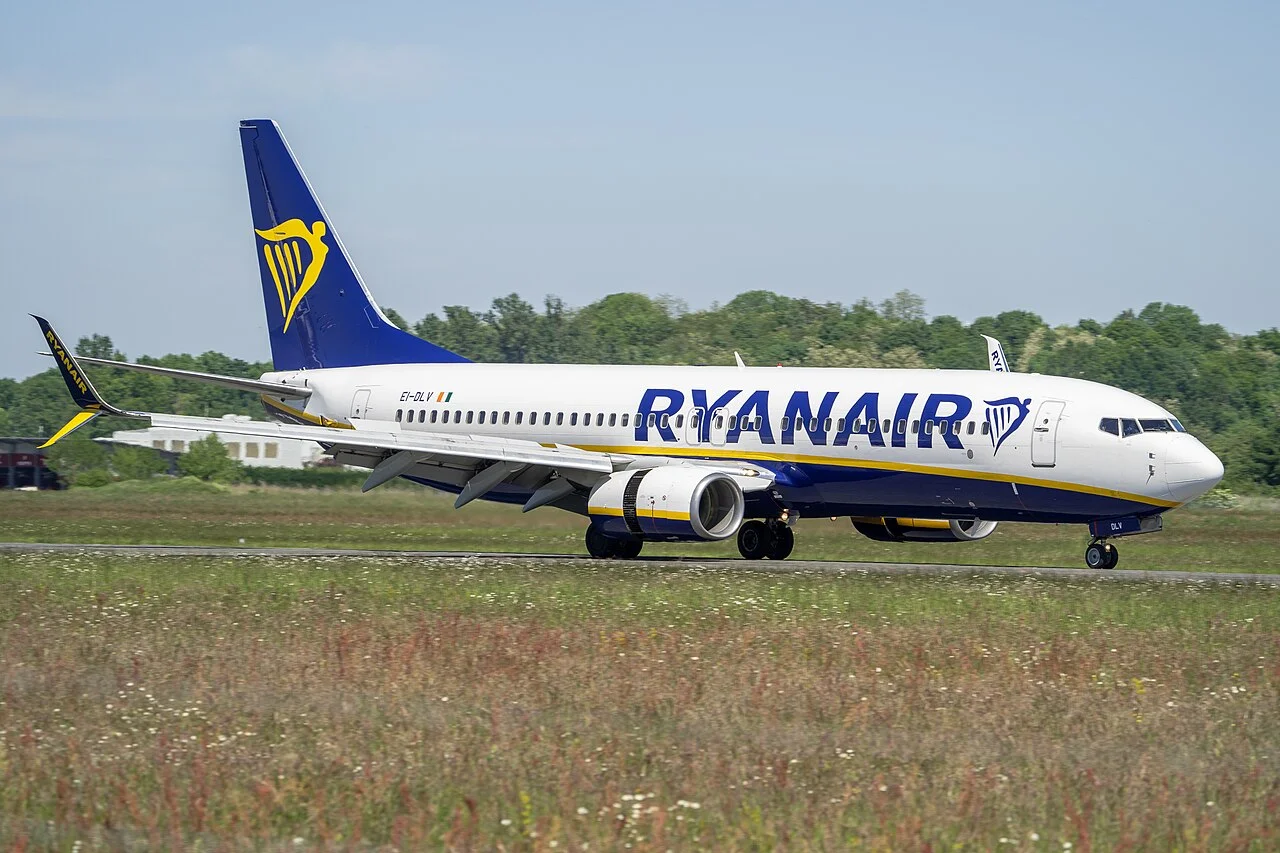
Ryanair 737-800 EI-DLV after landing at Tarbes.
Hugo LUC · CC BY-SA 4.0 · Source and credits · 09/05/2024

View full-size · Original imageResized WebP display copy.

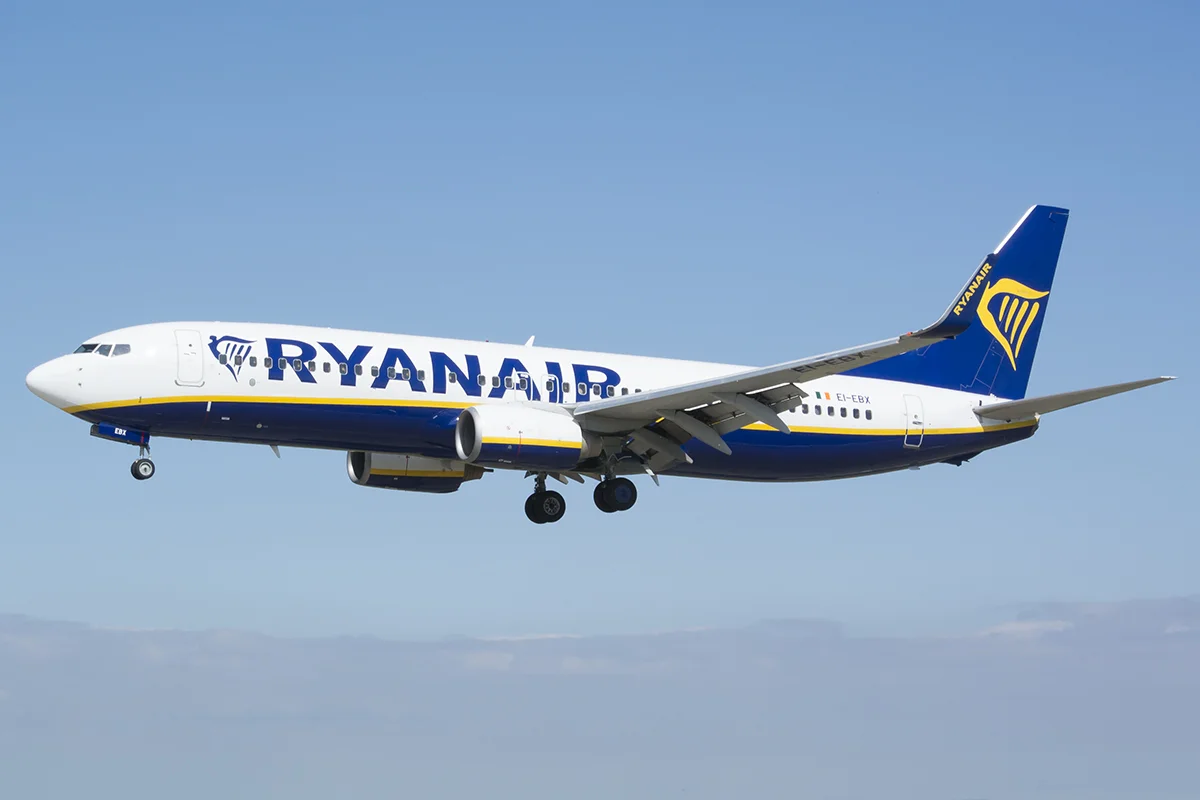
Ryanair 737-800 EI-EBX in flight. Compare the nose and engine shapes with an A320.
Michael Oldfield · CC BY-SA 4.0 · Source and credits · 2018-07-22 14:49:24

View full-size · Original imageResized WebP display copy.

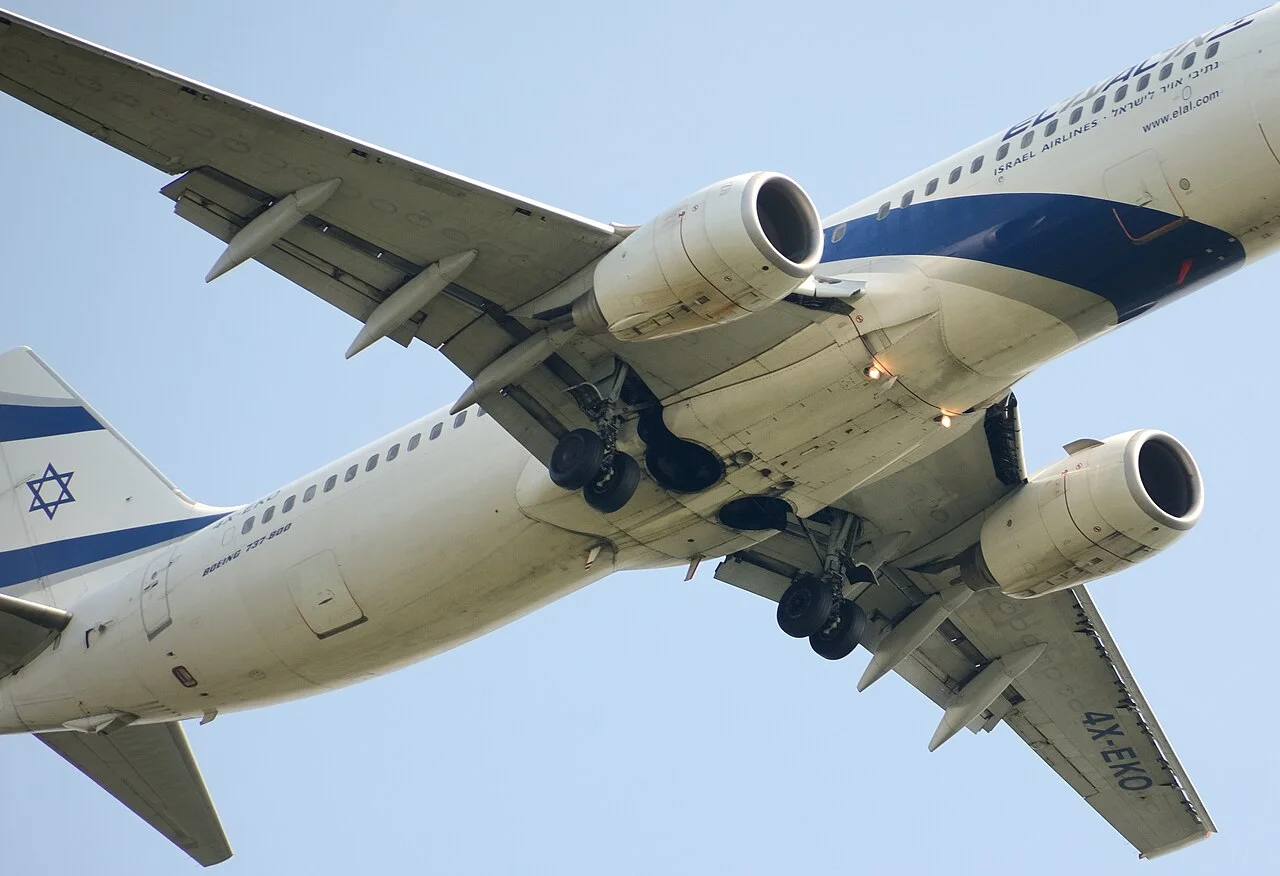
A 737-800 on approach with its landing gear extended, revealing the wheels, nacelles and wing underside.
Peter Haas · CC BY-SA 3.0 · Source and credits · 2013-08-23

View full-size · Original imageResized WebP display copy.

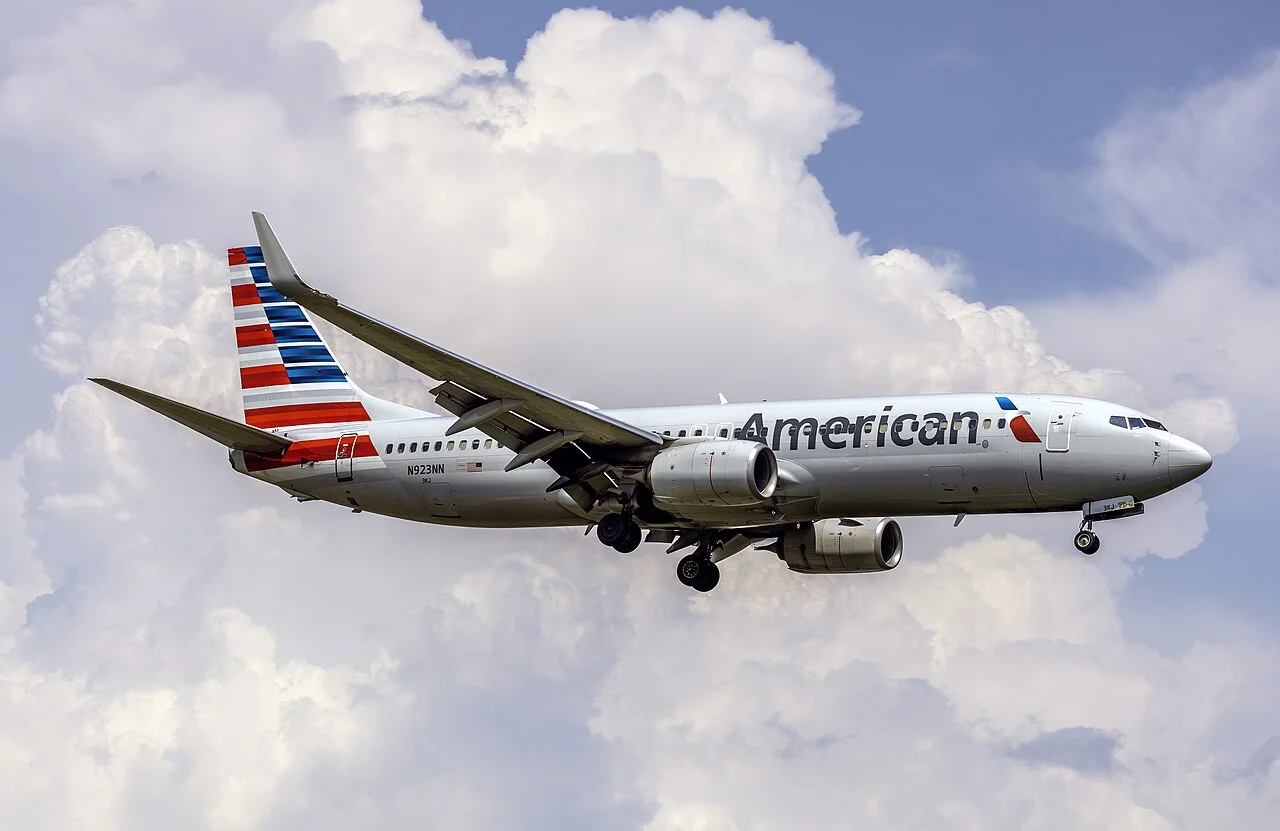
American Airlines 737-800 N923NN approaching Washington National.
Acroterion · CC BY-SA 4.0 · Source and credits · 2024-07-31

View full-size · Original imageResized WebP display copy.

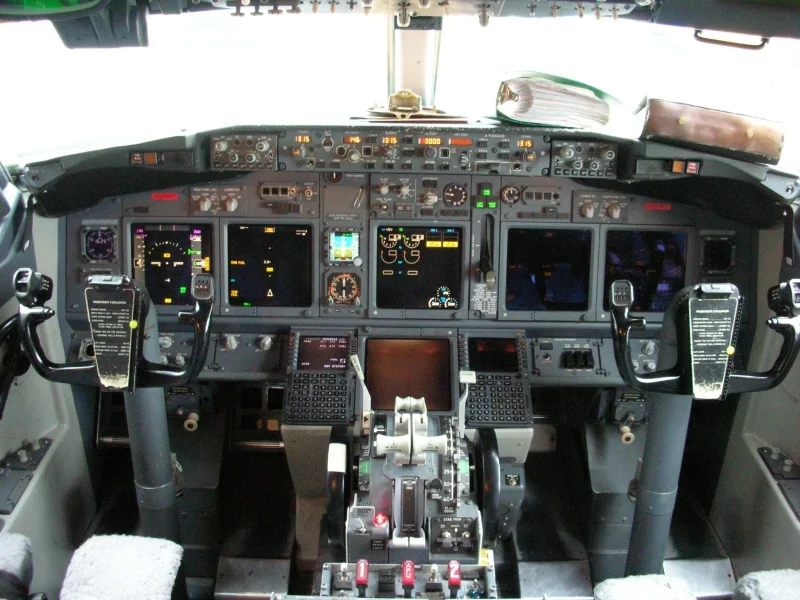
The cockpit of an ATA Airlines 737-800, showing the traditional control yokes.
Photographer: Nick Bartolotta (en:User:NickBartolotta) · CC BY-SA 3.0 · Source and credits · 2006-11-16

View full-size · Original imageResized WebP display copy.

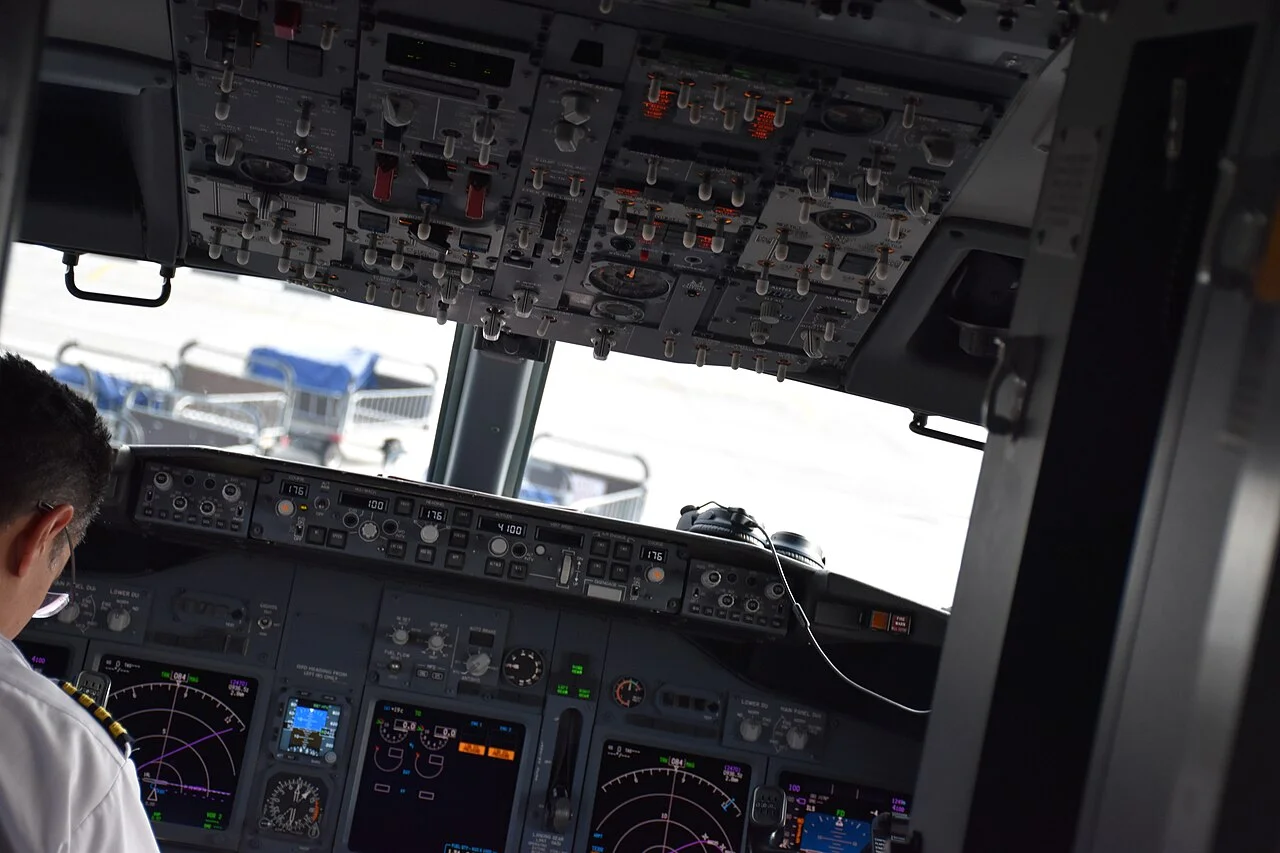
The flight deck of Buzz 737-800 SP-RSX.
Vasyatka1 · CC BY-SA 4.0 · Source and credits · 2020-02-26 11:36:35

View full-size · Original imageResized WebP display copy.

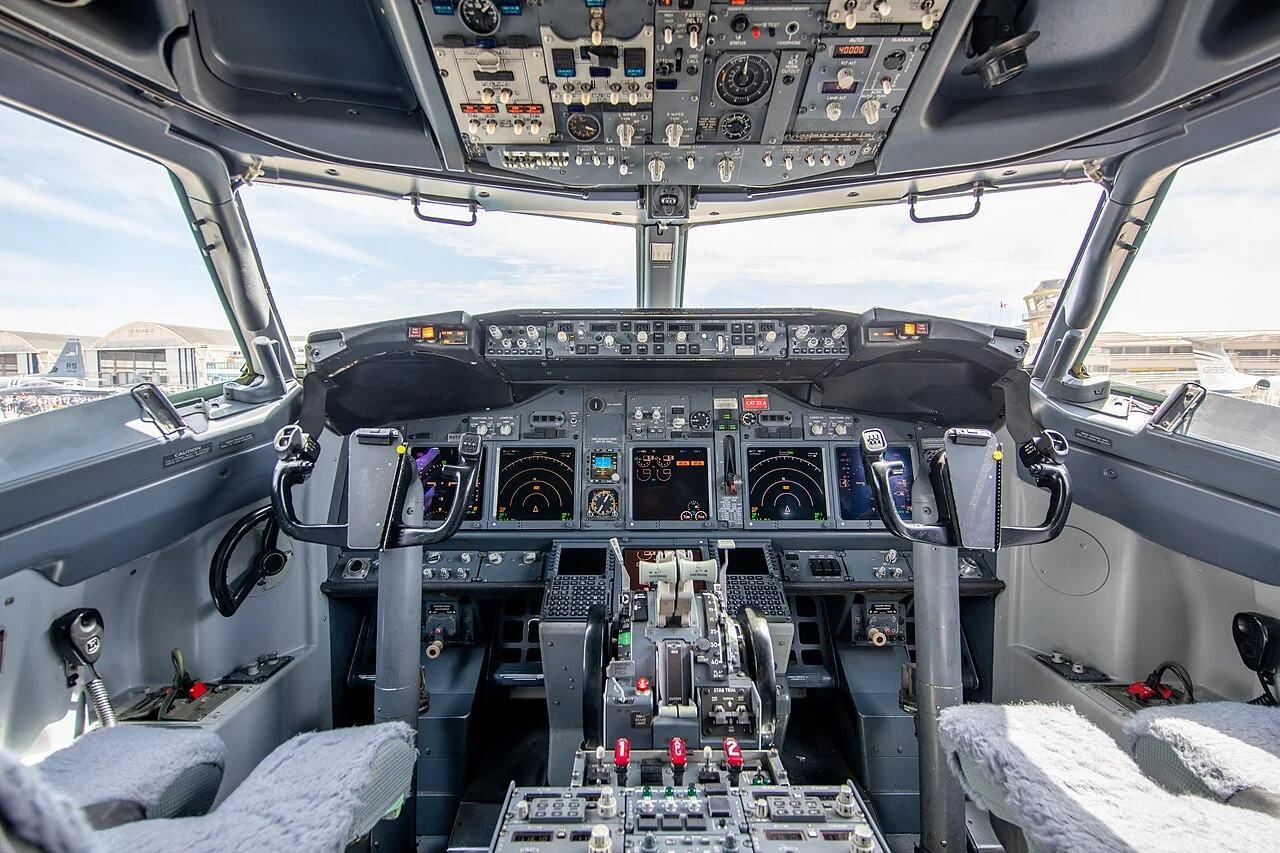
Inside a converted 737-800 freighter at the Paris Air Show in 2019.
Matti Blume · CC BY-SA 4.0 · Source and credits · 2019-06-18

View full-size · Original imageResized WebP display copy.

Drawings and original documents
Manufacturer planning drawings are linked below. Reproduction rights are retained by the publisher. Existing published drawings are credited below. These are reference illustrations, not manufacturing blueprints.
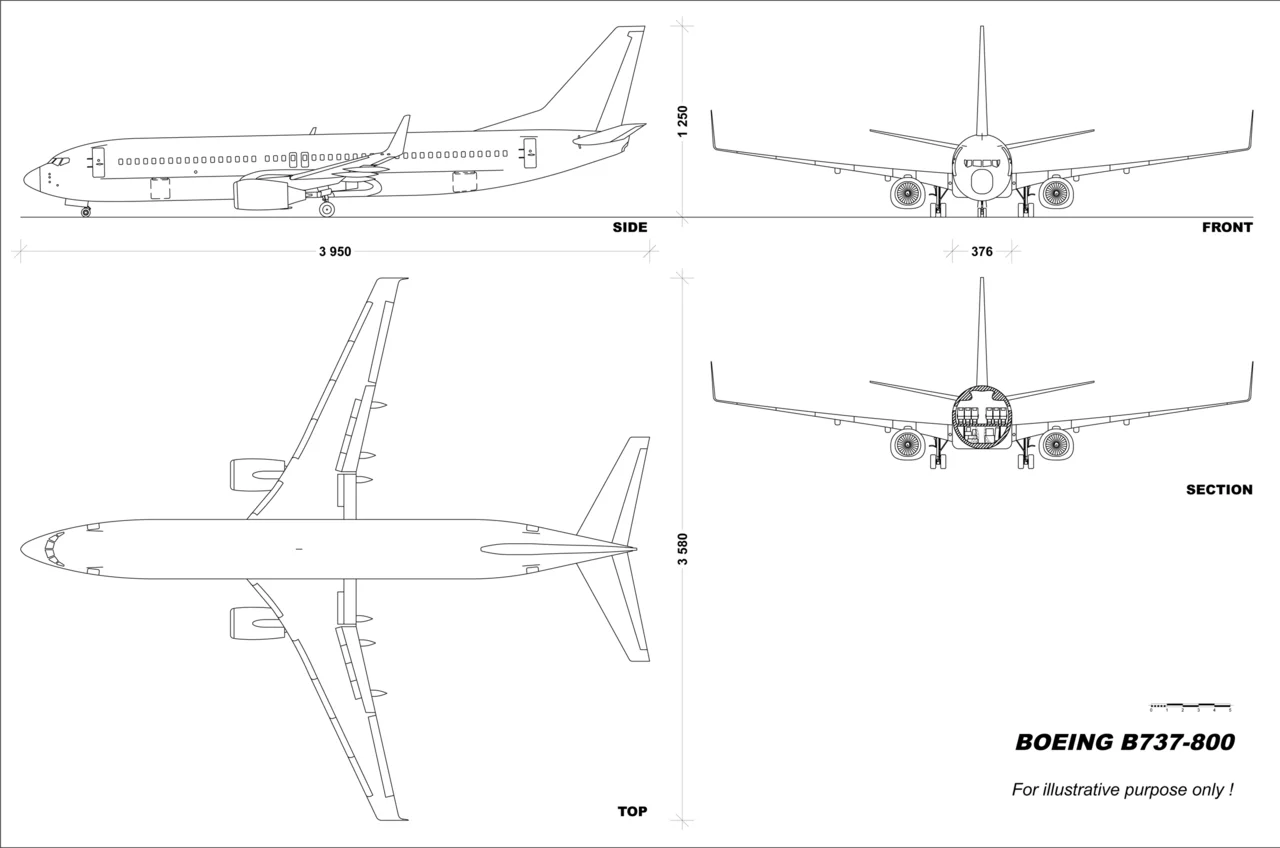
Julien Scavini’s 737-800 reference drawing shows side, front, overhead and fuselage-section views. Published in 2011; not a factory blueprint.
Julien.scavini · CC BY-SA 3.0 · Source and credits · 2011-10-30

View full-size · Original imageResized WebP display copy.

- 737 MAX airport planning drawings, July 2025
Boeing’s airport planning manual covers MAX 7, 8, 9 and 10, with aircraft dimensions, servicing and manoeuvring information.
- The 737 MAX 8’s first flight, 29 January 2016
Boeing’s contemporary first-flight report includes genuine photographs, the flight-test crew and the route between Renton and Boeing Field.
- 737 Next Generation airport planning drawings, October 2025
Boeing’s dimensioned plans cover the 737-600 through 737-900, including the -800’s cabin, doors, ground clearances and turning geometry.
- The 737-800’s first flight, 31 July 1997
Read Boeing’s original launch-era report, with its route, test crew, fleet position and the planned Next Generation test programme.
See one for yourself
Skylark shows what is flying over Ireland right now, with each aircraft's reported type code, and the iPhone app points you at it. Use the code alongside visible clues: a shared family code may not identify the exact variant.
Sources
Facts checked against these sources on 29 September 2026. Numbers that change over time, such as orders and fleet sizes, are as of the date given beside them.
- Spotting the difference: Boeing narrow-bodies (15 May 2025)Flightradar24
- 5 ways to tell a Boeing 737 MAX from other 737sThe Window Flyer
- Type certificate data sheet UK.TC.A.00004, Boeing 737, issue 2 (20 May 2022)UK Civil Aviation Authority
- Our fleetRyanair
- FAA certifies high-density Boeing 737 Max destined for Ryanair (31 March 2021)The Air Current
- Boeing completes successful 737 MAX first flight (29 January 2016)Boeing
- Longest Boeing 737 makes first flight (31 July 1997)Boeing
- Boeing 737 spotting guideAirliner Spotter
- Ryanair takes delivery of 1st Boeing 737 Gamechanger aircraft (16 June 2021)Ryanair
- Summary of the FAA's review of the Boeing 737 MAXFAA